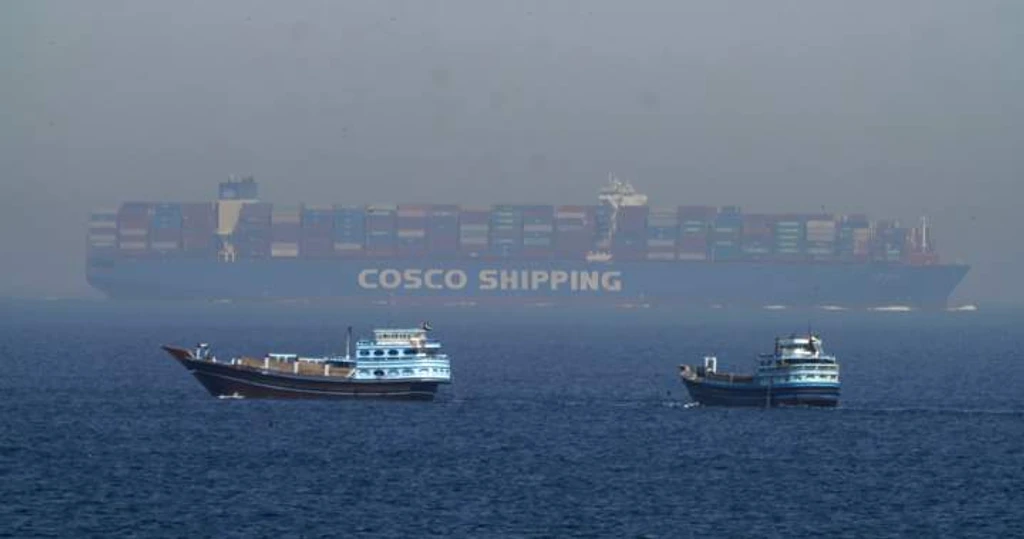
Escalating conflict in the Gulf has led to warnings of global oil price hikes as the Strait of Hormuz, a crucial shipping route, faces effective closure. The U.S.-Israeli war with Iran has already halted energy exports, with Tehran attacking ships and facilities.
The Strait of Hormuz, impassable for days, is a narrow sea passage connecting the Persian Gulf to the Gulf of Oman. At its narrowest, it is only 54 km wide, with a shipping lane just 3.7 km across. This chokepoint is the sole maritime link for oil-rich Gulf nations to the Arabian Sea.
On average, 20 million barrels of oil transit the Strait of Hormuz daily, accounting for nearly a quarter of all seaborne oil trade. This route is vital for exports from Saudi Arabia, Iran, UAE, Kuwait, and Iraq, primarily to Asian markets like China, India, and Japan.
Beyond oil, 20 percent of the world's liquefied natural gas (LNG) supply also passes through this strait. Qatar and the UAE rely heavily on this route for their LNG exports. There are currently no viable alternative routes for these volumes.
Historically, the Strait has been a focal point of conflict, including the 1973 oil embargo, the 1980s Tanker War, and threats of closure in response to sanctions and attacks. Disruptions to trade here have immediate and significant consequences for global energy markets and price volatility.
Recent attacks and seizures near the strait have exacerbated these concerns. Experts warn that prolonged conflict could lead to unprecedented supply shocks, impacting global markets far beyond immediate regions, potentially dwarfing the effects of previous crises like the Ukraine-Russia conflict.