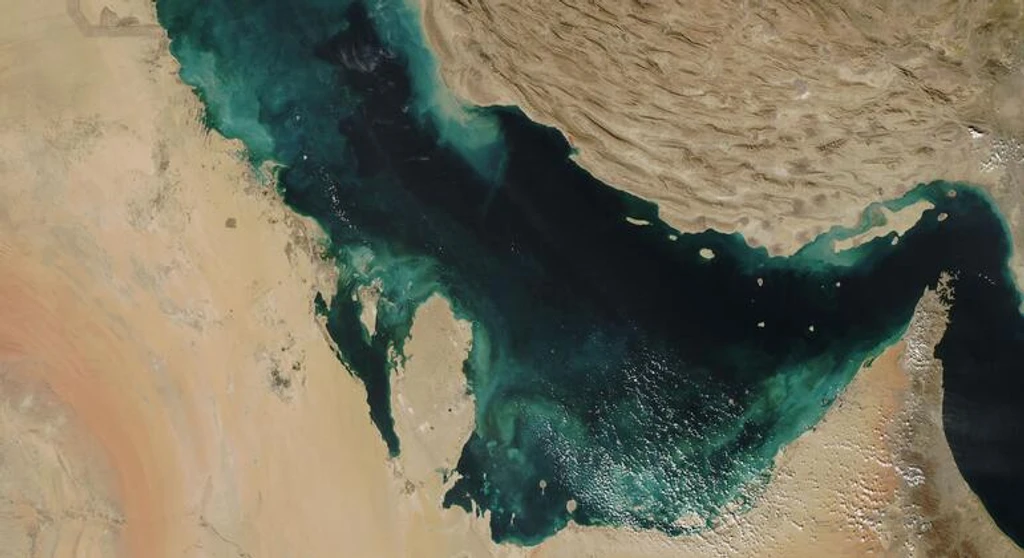
A ceasefire between Iran and regional forces has raised hopes for the reopening of the Strait of Hormuz, a critical global shipping lane. This vital waterway, linking the Persian Gulf to the Gulf of Oman, is essential for oil and gas exports from key Middle Eastern nations. Disruptions here have previously caused energy price spikes, supply chain delays, and increased geopolitical tensions.
Shipping through the strait, at its narrowest point just 39 kilometers wide, has been severely impacted since late February. Daily vessel traffic has dropped from approximately 150 ships to just a handful considered "non-hostile" by Iranian authorities. This has left an estimated 2,000 ships, including oil tankers and cargo vessels, stranded in the Persian Gulf, with around 20,000 seafarers aboard. International Maritime Organization (IMO) reports confirm 21 attacks on shipping in the region, resulting in 10 seafarer fatalities.
The IMO is working to establish a safe passage mechanism, prioritizing the evacuation of seafarers. While international law, specifically the UN Convention on the Law of the Sea (UNCLOS), mandates freedom of transit passage through such straits, Iran is not a signatory. However, the principle is widely recognized under customary international law. The resumption of routine trade hinges on the ongoing maritime security situation and diplomatic efforts to ensure safe navigation via established routes like the Traffic Separation Scheme.