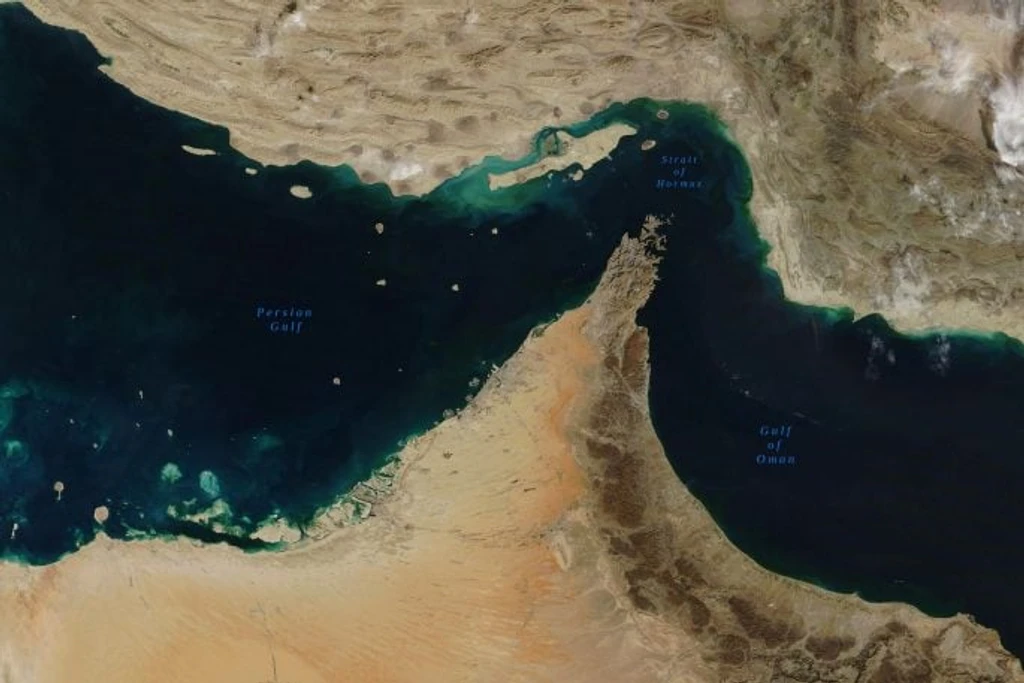
Satellite imagery from May 29th has confirmed that an oil tanker was struck by a missile in the Strait of Hormuz, a vital oil transit chokepoint. The attack, allegedly carried out by Iran’s Islamic Revolutionary Guard Corps (IRGC), adds to ongoing maritime tensions in the region.
This incident is part of a broader crisis involving Iran, the United States, and regional shipping interests, characterized by blockades and naval exercises. In a related development, Israel conducted airstrikes near Tyre, Lebanon, targeting Hezbollah infrastructure following evacuation warnings. These actions highlight dual pressure campaigns in the Gulf and Lebanon, with potential implications for global oil markets and regional stability.
The combined incidents are supportive of a NO outcome for markets predicting a return to normal traffic by June 15. The confirmed missile strike represents a high-impact escalation, decreasing the likelihood of a quick normalization of maritime activities. Market participants may view this escalation as a key indicator of continued disruption.
Observers should monitor any official responses from the IRGC and U.S. Central Command, which could further influence market perceptions. The coming days may also see diplomatic efforts aimed at de-escalating tensions, particularly involving key regional actors like Iran and the U.S. Additionally, developments in the Israel-Hezbollah conflict could have broader implications for Middle Eastern geopolitical dynamics.