President Trump suggested Iran may be seeking a ceasefire, but analysts say real power lies with hardline figures inside the Islamic Revolutionary Guard Corps, including newly prominent commander Ahmad Vahidi.
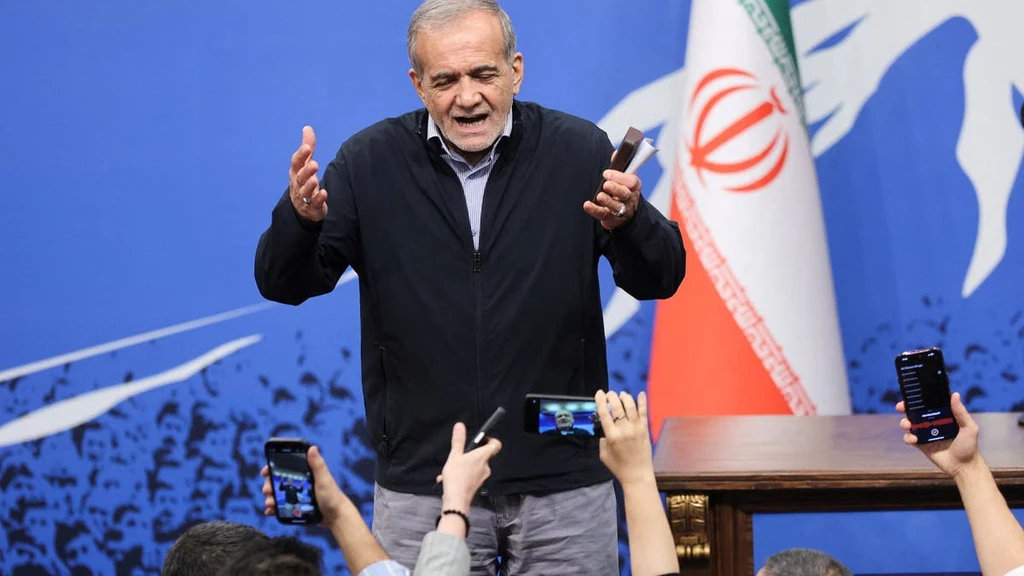
Trump referenced Iran's President Masoud Pezeshkian asking for a ceasefire, but experts emphasize the president lacks authority over war decisions.
"He clearly does not have the authority to turn on or turn off a major military conflict with the United States," said Behnam Ben Taleblu of the Foundation for Defense of Democracies.
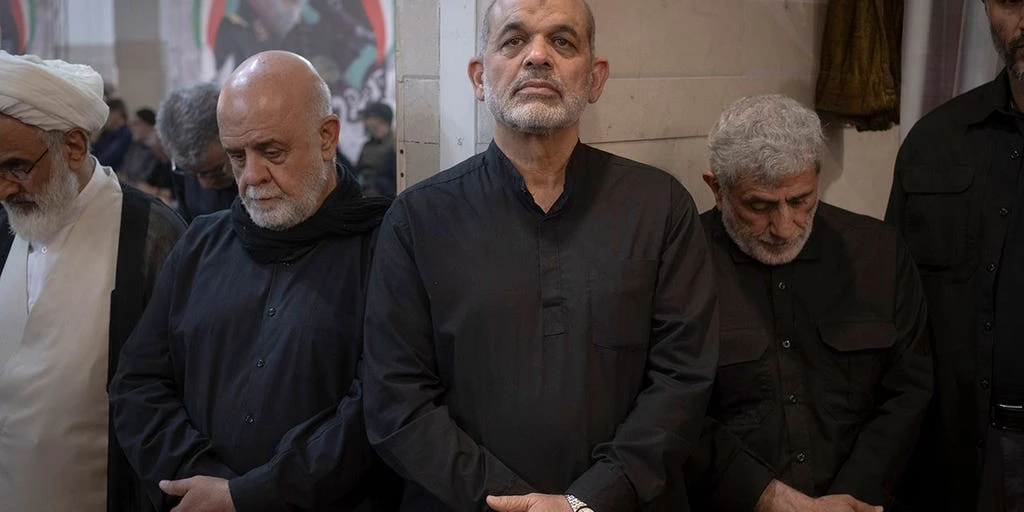
Real power rests with senior IRGC figures including Vahidi, parliamentary speaker Mohammad Bagher Ghalibaf, and security official Mohammad Zolghadr.
Iran expert Beni Sabti warned that Iranian ceasefire signals may reflect "hudna" - temporary stops to rebuild strength before attacking again.
At the center of uncertainty is Ahmad Vahidi, a longtime IRGC commander connected to deadly attacks abroad, including the 1992 Israeli Embassy bombing in Argentina and 1994 AMIA Jewish community center bombing in Buenos Aires.
Vahidi allegedly maintained connections with al Qaeda following September 11 attacks and played roles in suppressing Kurdish uprisings post-1979 revolution.
"It's not clear how coordinated either the military or political actions of the government of the Islamic Republic is today," said Ben Taleblu.
Experts describe Iran as "a system of men, not a system of laws" where personal ties outweigh formal titles. Vahidi's influence may now exceed other prominent Tehran figures.