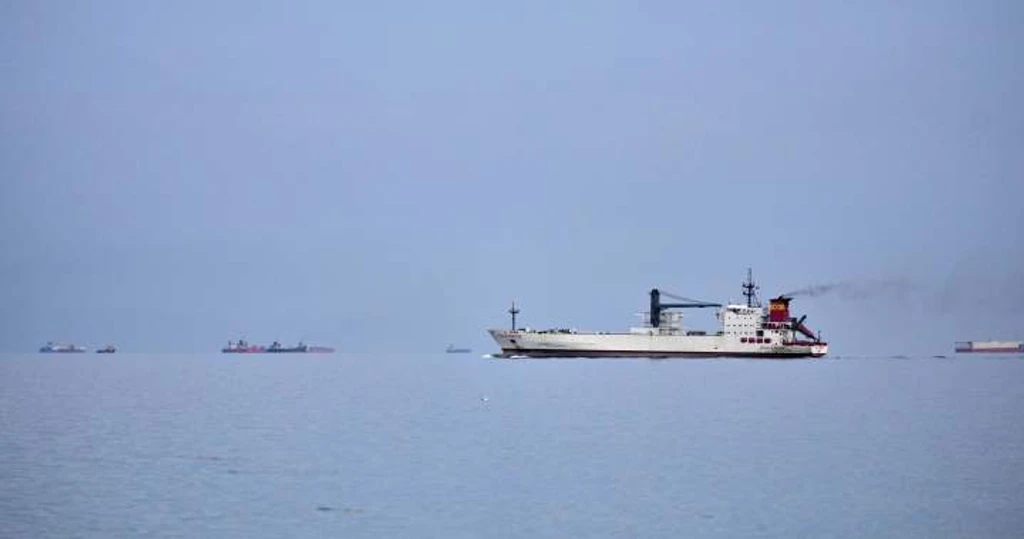
Escalating conflict in the Middle East is disrupting global supply chains, with experts warning of a potential helium shortage. Exports from Qatar, a major global supplier, are under strain as the Strait of Hormuz remains impassable due to Iranian actions. Helium is a byproduct of LNG production, and disruptions to Qatar's LNG output directly impact helium availability.
This shortage extends beyond party balloons, affecting critical industries. Helium is essential for cryogenic cooling in scientific research, including Nuclear Magnetic Resonance (NMR) magnets and MRI machines vital for medical diagnostics. Its absence jeopardizes the operation of these machines and the commissioning of new ones.
Furthermore, helium is used in intensive care units for respiratory treatments and is crucial for the semiconductor industry, impacting advanced sectors like artificial intelligence and quantum computing.
While other global suppliers include the U.S., Australia, Russia, and Algeria, the disruption to Qatar's significant contribution is expected to drive up global prices. Canada is increasing its helium production, but lacks liquefaction facilities, a necessary step for its transport and use.
Concerns are also raised about potential hoarding, though helium's volatile nature limits long-term storage. The supply chain for this critical element faces significant geopolitical challenges.