Hope for diplomacy in the Iran war collapsed amid contradictory claims from President Donald Trump and Tehran. While Trump asserted talks were already underway, Iran denied any direct dialogue, calling it "fakenews" aimed at manipulating oil markets.
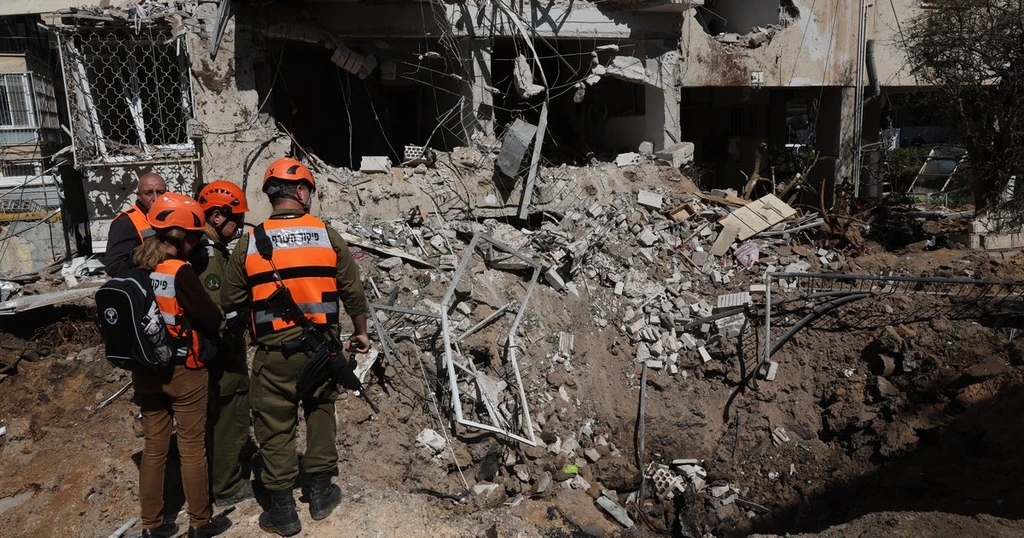
Despite the diplomatic confusion, fighting intensified. Iran launched missile barrages targeting Israel and Gulf states early Tuesday. One missile struck central Tel Aviv, injuring four and damaging buildings. Saudi Arabia reported intercepting 19 Iranian drones over its Eastern Province, while Kuwait suffered power outages from air defense shrapnel.
Israel responded with fresh airstrikes across Lebanon, killing at least two in Beirut’s southern suburbs. Prime Minister Benjamin Netanyahu vowed to continue operations until Hezbollah-backed by Iran-no longer threatens northern Israel. The Islamic Revolutionary Guard Corps warned of expanded missile and drone attacks on Israeli and Gaza targets unless tactics change.
Global energy markets reeled. Brent crude surged back above $100 a barrel-a 40% jump since the U.S.-Israel campaign began on February 28. International Energy Agency head Fatih Birol called the conflict a "major, major threat" to the global economy, surpassing even the 1970s oil shocks in impact.
Pakistan has offered to mediate, with possible talks this weekend. A senior Iranian official confirmed receiving U.S. talking points via intermediaries but gave no commitment to respond.