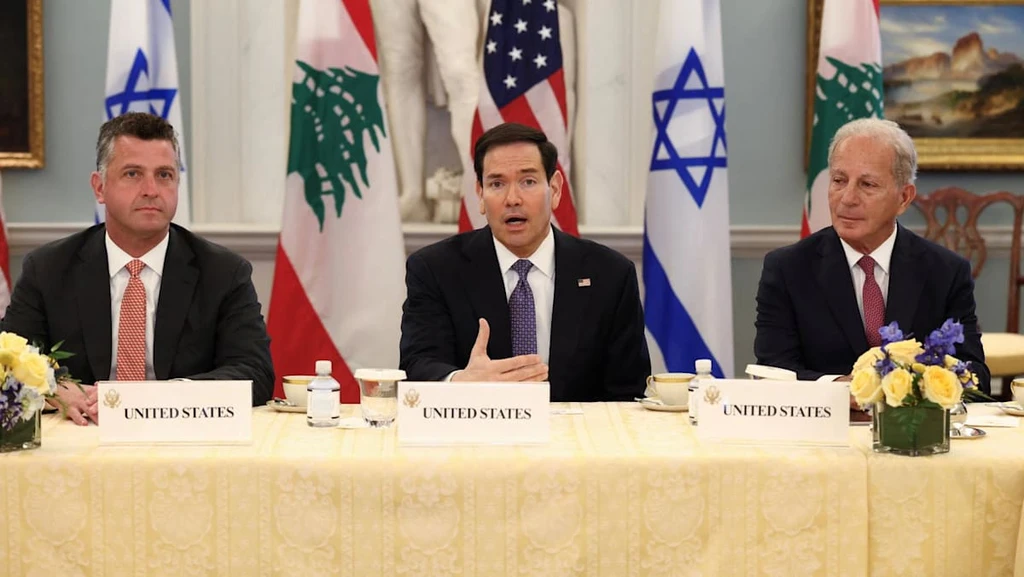
Direct talks between Israel and Lebanon concluded in Washington Tuesday, with Israeli Ambassador Yechiel Leiter stating the two nations are "on the same side" in opposing Iran-backed Hezbollah. Leiter described the exchange as "wonderful," emphasizing a shared goal to liberate Lebanon from what he termed an "occupation power dominated by Iran called Hezbollah." US Secretary of State Marco Rubio, who mediated the discussions, urged both countries to seize a "historic opportunity for peace" and outline a framework for lasting accord.
Despite the stated common ground, prospects for an easy agreement remain slim. Hezbollah, actively engaged in conflict with Israeli forces in southern Lebanon, opposed the talks and launched rocket attacks on northern Israeli towns during the discussions. Lebanon was drawn into the regional conflict on March 2 after Hezbollah attacked Israel, leading to significant Israeli strikes, including a major attack on Beirut on April 8, resulting in thousands of casualties and over a million displaced people. International calls for a ceasefire persist, while Israeli Prime Minister Benjamin Netanyahu seeks the dismantling of Hezbollah's weapons for lasting peace. Lebanese President Joseph Aoun expressed hope for a ceasefire agreement and direct negotiations. The US administration's stance supports Hezbollah disarmament while respecting Lebanon's integrity and Israel's rights, a complex balancing act.