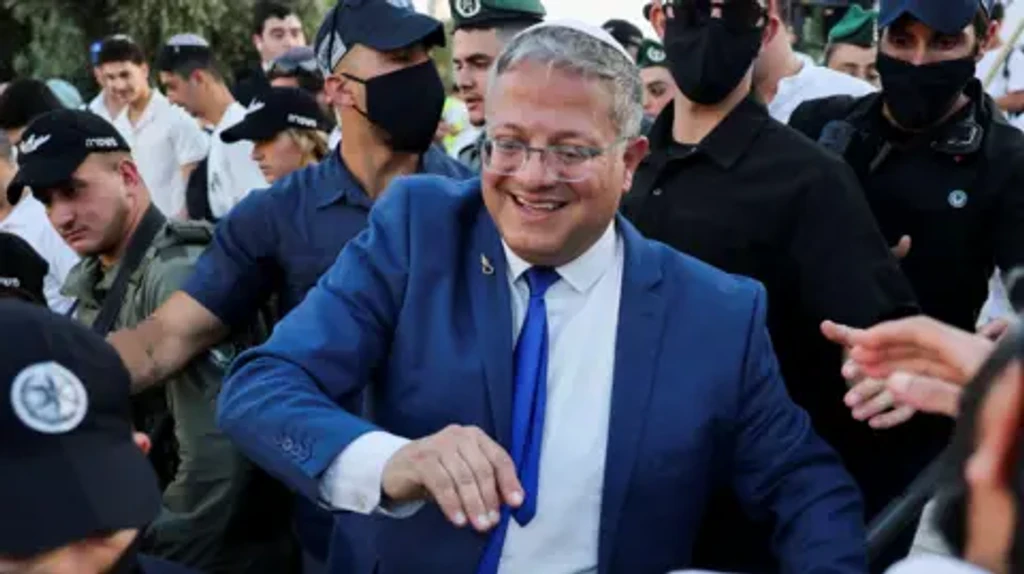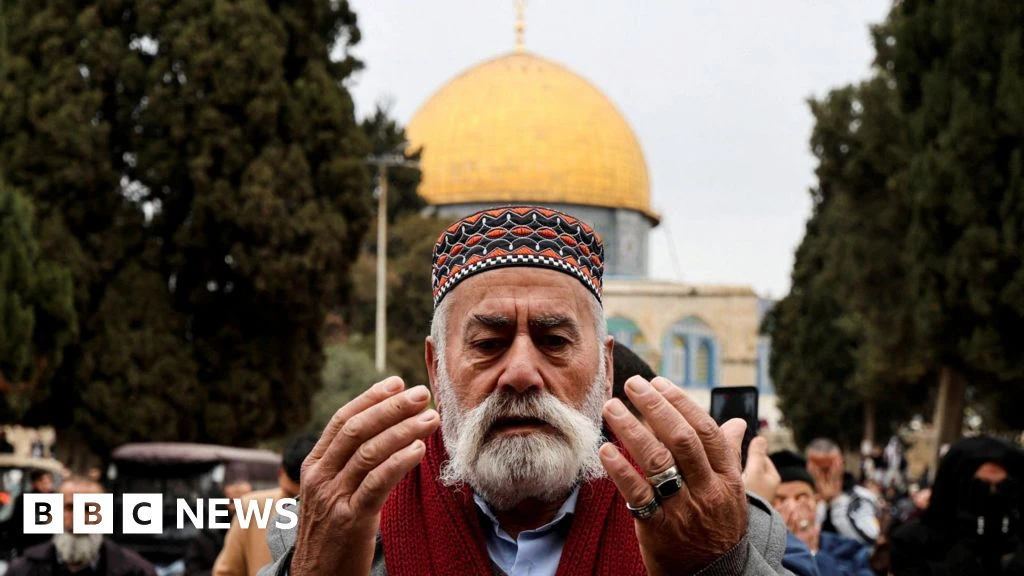
Tensions are escalating at Jerusalem’s Al-Aqsa mosque compound as Israeli nationalists openly challenge the decades-old Status Quo governing the holy site. Right-wing politician Moshe Feiglin recently led religious prayers on the grounds, directly contravening agreements that reserve the site exclusively for Muslim worship under Jordanian administration.
The compound, known to Jews as the Temple Mount, remains one of the world's most sensitive flashpoints. While non-Muslims may visit, religious rites are prohibited. Despite this, National Security Minister Itamar Ben-Gvir has utilized his office to permit Jewish prayers and songs within the compound, signaling a shift in enforcement that contradicts both international understandings and traditional rabbinical prohibitions.
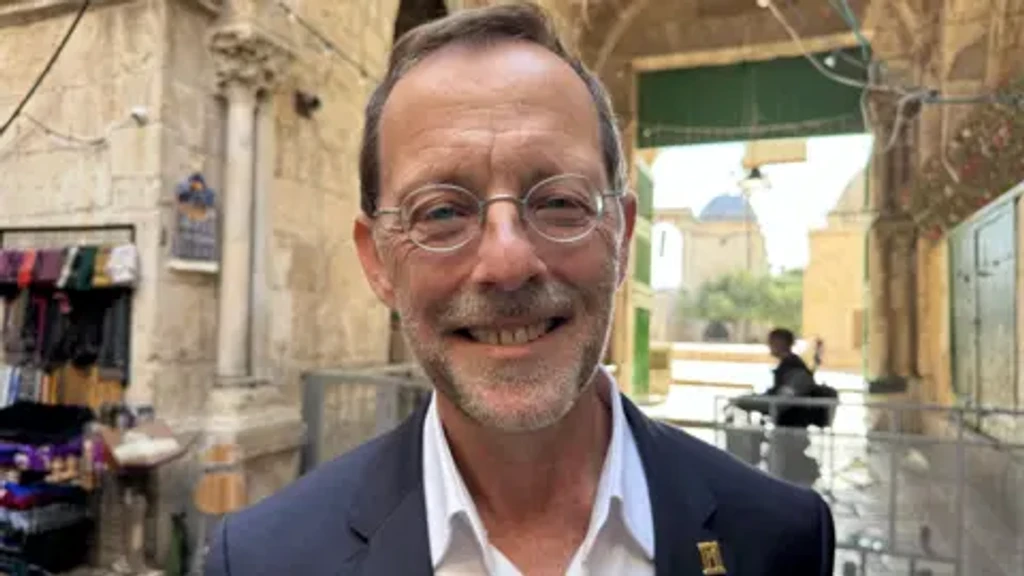
Reports suggesting Israel and US officials might reclassify the site as a multi-faith center have triggered widespread diplomatic concern. Although Secretary of State Marco Rubio denied knowledge of such plans, regional powers including Jordan, Egypt, and Gulf states warn that eroding Islamic authority risks catastrophic instability. Palestinian experts caution that altering the current arrangement jeopardizes regional peace.
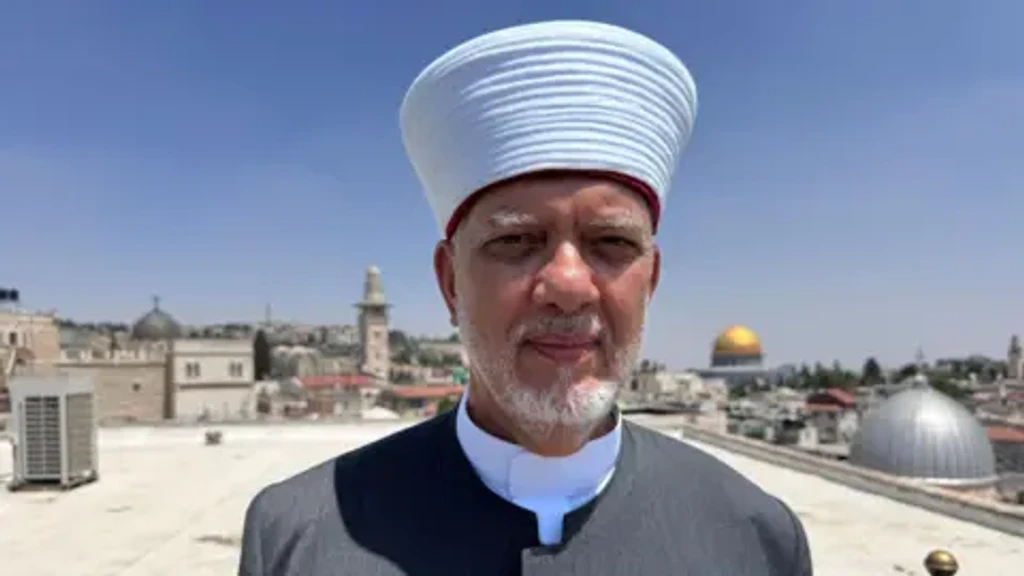
Historical precedent underscores the danger. Ariel Sharon’s 2000 visit to the compound helped ignite the Second Intifada, resulting in thousands of casualties. Current nationalist momentum, embodied by Ben-Gvir’s public demonstrations of sovereignty, raises fears that political pressure to change the site's governance could trigger similar violence.