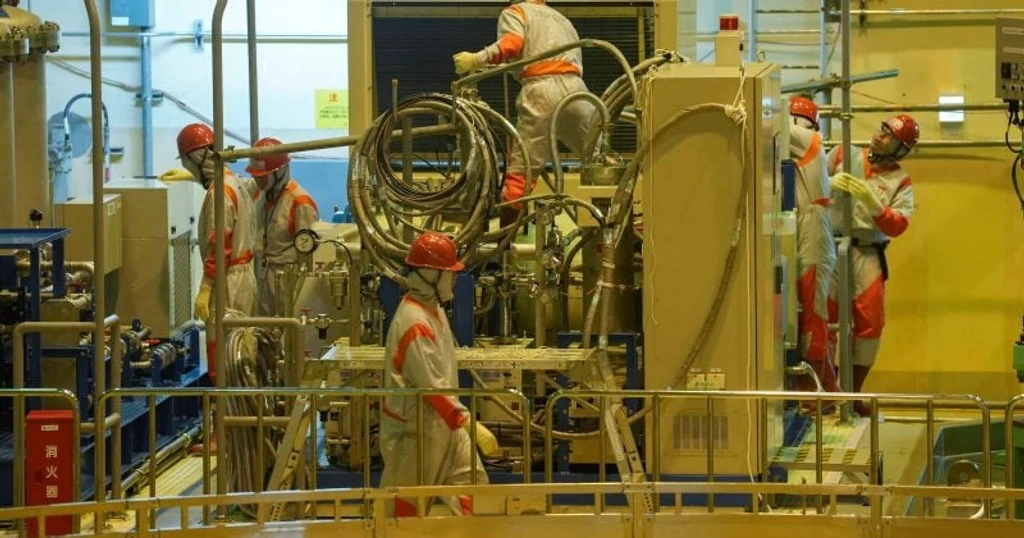
Fifteen years after the Fukushima disaster, Japan is making a sharp U-turn. The Ministry of Economy, Trade and Industry (METI) has proposed replacing between 11 and 14 aging nuclear reactors by the 2050s to keep up with surging electricity demand from AI data centers and semiconductor factories.
This is the first time since the 2011 meltdown that Tokyo has put explicit numbers on reactor replacements. In the near term, Japan targets 2 to 5 replacements by the 2040s, with the bigger push coming in the following decade. The goal is to maintain nuclear energy at roughly 20% of Japan's electricity mix by 2040, reducing reliance on imported hydrocarbons which currently account for 60-70% of generation.
Japan's position is shaped by geography and geopolitics. As an island nation with virtually no domestic fossil fuel reserves, importing fuel represents a direct vulnerability. The Fukushima disaster led to a near-total shutdown of the reactor fleet. Now, the country is not just restarting old plants, but building replacements for those that have aged out.
For energy investors, this multi-decade undertaking touches everything from uranium supply chains to specialized construction firms. Japan currently operates 15 reactors. Adding up to 14 more would substantially increase uranium procurement needs. Cabinet approval is expected in summer 2026.