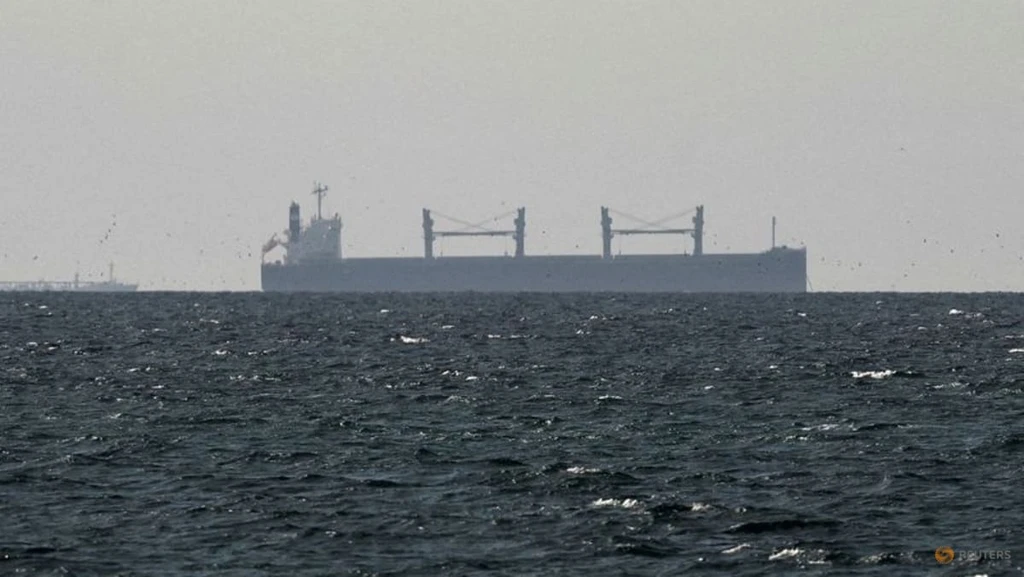
The ongoing conflict involving Iran has triggered the most significant oil supply disruption ever recorded by daily output lost. The International Energy Agency (IEA) declared it the worst energy crisis globally, compounded by the lingering European gas crisis from Russia's invasion of Ukraine.
This crisis is unique, simultaneously impacting crude oil, natural gas, refined fuels, and fertilizer supplies. Unlike the energy shocks of the 1970s, which primarily affected fuel availability and caused lasting economic damage, the current disruption highlights new vulnerabilities in deeply interconnected global energy markets. Decades of rising demand and the Middle East's expanded role as a supplier of finished fuels have amplified these risks.
The peak daily supply loss in the current crisis exceeds 12 million barrels per day, a figure higher than the combined peak losses from the 1973-74 Arab oil embargo and the 1978-79 Iranian Revolution. The conflict has also halted approximately one-fifth of global liquefied natural gas production from Qatar, impacting a market far larger than during previous oil shocks.
While daily losses are record-breaking, the cumulative impact is still being assessed. Early calculations suggest the current conflict's 52-day duration has removed an estimated 624 million barrels. However, historical events like the 1978-79 Iranian Revolution and the 1973-74 Arab oil embargo may have had a greater cumulative impact over their longer durations, despite smaller peak daily losses.
Crucially, unlike past crises where spare capacity from producers like Saudi Arabia could compensate, current disruptions through the Strait of Hormuz have limited such recourse. The impact has been felt acutely in Asia and Africa, contrasting with earlier crises that more severely affected the United States.