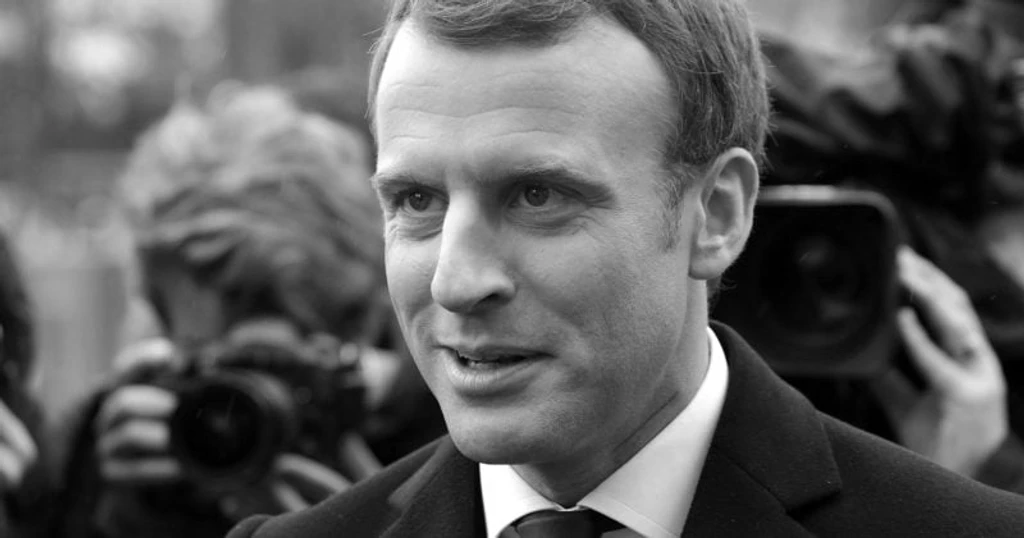
France has adopted its 2026 national budget, but the process was the most difficult fiscal fight of President Emmanuel Macron's tenure. The government secured passage only after winning Socialist Party support, which came at a significant cost.
Key concessions included a substantial increase in military spending and, crucially, a freeze on the retirement age-a major political reversal on a signature Macron reform. The defense budget received a €6.7 billion boost, funding items like a new nuclear submarine and armored vehicles.
The government aims to reduce the deficit to 5% of GDP in 2026, down from 5.4%. This remains high by EU standards, drawing scrutiny from Brussels as France's public debt is among the bloc's highest.
Political stability remains fragile. The opposition from the far-left and far-right, led by Marine Le Pen, continues to wield influence in the fragmented parliament. The budget fight underscores the difficulty of passing major legislation without a clear majority.