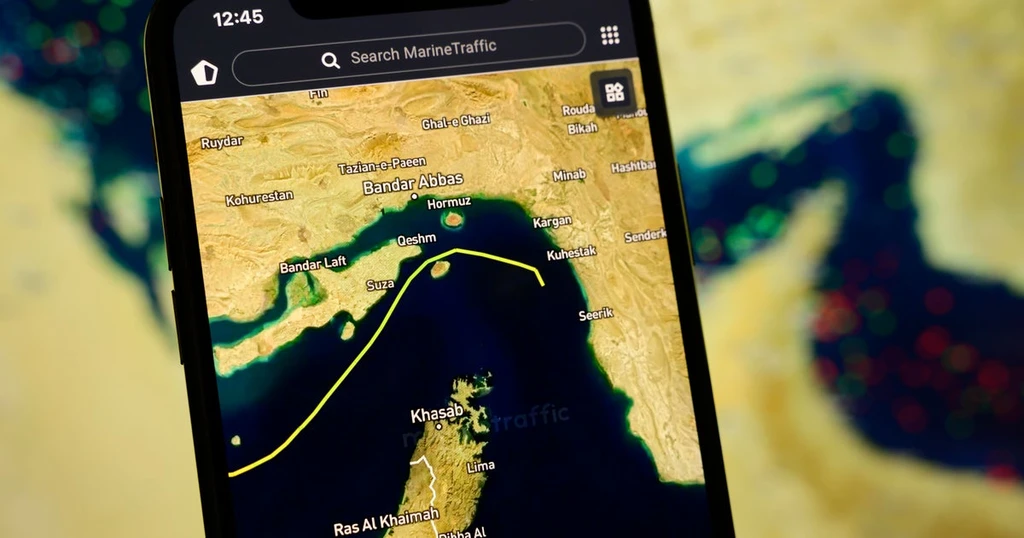
Reports indicate Iran plans to charge a toll for passage through the Strait of Hormuz, raising significant economic and geopolitical concerns. Analysts note Iran's Revolutionary Guard Corps has already established a "toll booth" regime, requiring vessel documentation and escorted passage. While not yet officially implemented, Iran has signaled a fee for safe passage under a hypothetical peace deal.
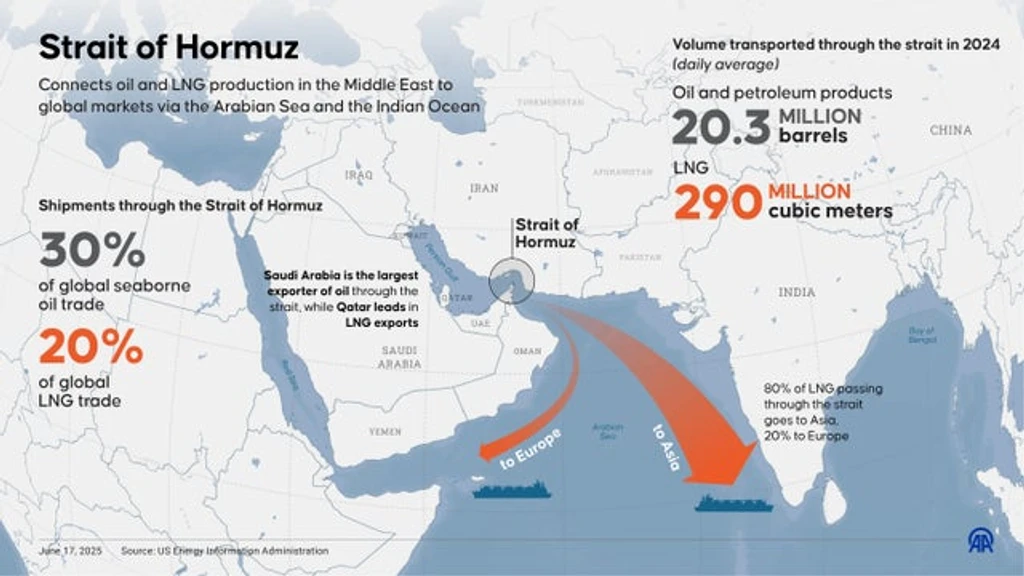
The Strait of Hormuz is a critical artery, normally handling approximately 20% of the world's oil and liquified natural gas supply. Daily vessel crossings have dramatically decreased since conflict began.
Experts suggest an Iranian toll, potentially around $1 per barrel of oil, could generate substantial revenue for Iran. However, the direct impact on global oil prices may be moderate due to existing production costs. More significantly, the threat of increased tolls or seizure of passage could introduce a permanent risk premium to oil prices. Additionally, higher insurance rates and freight costs for vessels navigating the strait will likely be passed on to consumers.
Analysts emphasize that infrastructure damage to oil and gas facilities in the Gulf is a more critical factor for energy prices than the toll itself.