The Middle East war has triggered sharp increases in transport costs, energy, and fertilizer prices, along with currency pressures and financial market volatility.
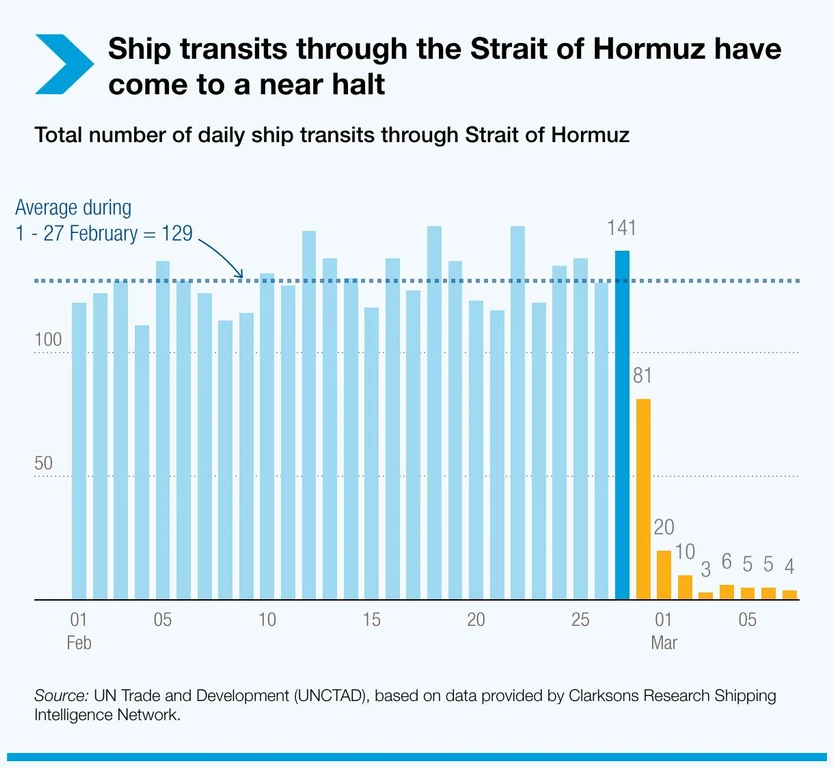
At the heart of the disruption is the Strait of Hormuz, a critical maritime chokepoint carrying a quarter of global seaborne oil trade. Ship transits have dropped sharply, causing Brent crude prices to surge above $100 per barrel.
Supply chains are under pressure, with major shipping companies suspending services and containers stranded in ports. Shortages of helium and specialized gases are creating a crisis for semiconductor production, while fertilizer shortages threaten crop yields across South Asia.
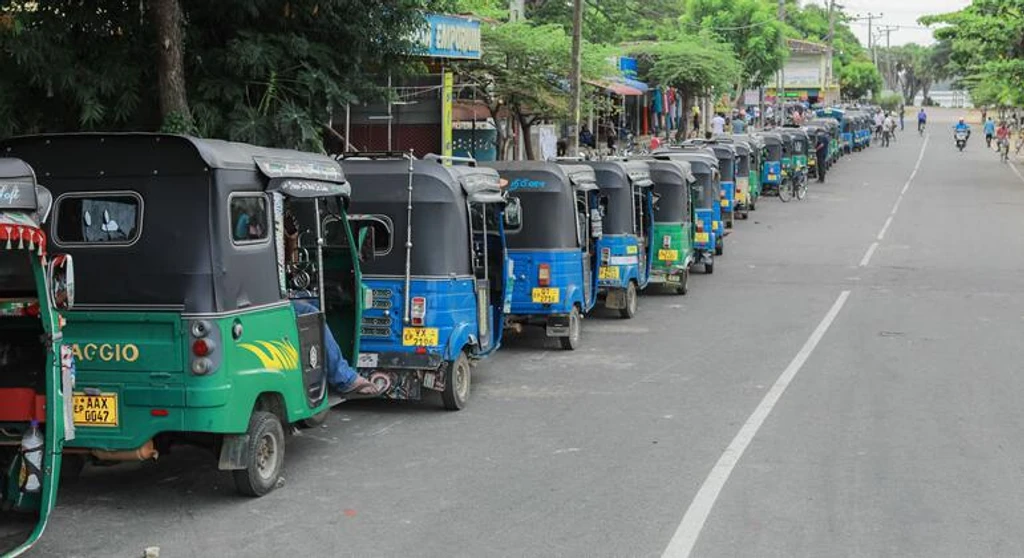
Energy price spikes are feeding into inflation, hitting poorer households hardest. In Sri Lanka, fuel rationing and reduced public operations are in place. Pakistan has implemented fuel conservation measures, including a four-day workweek. Myanmar faces acute fuel shortages, disrupting transport and humanitarian efforts.
In Nepal, migrant workers in the Gulf are affected, with remittances making up a significant portion of the country's GDP. The crisis is personal for many families.
ESCAP warns that prolonged disruption could slow Asia-Pacific economic growth to 4.0% in 2026, worsening poverty, food insecurity, and inequality.
An informal sector worker eats by the roadside in Bangkok. (file photo)