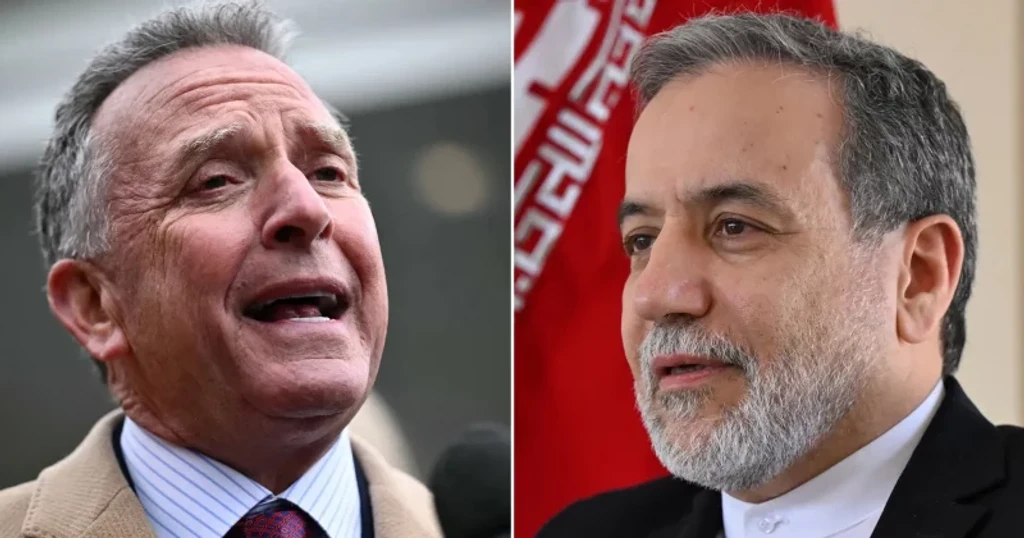
The cease-fire between the United States and Iran, barely seven weeks old, is on the verge of collapse. Mediators from Pakistan and Qatar are scrambling to negotiate a temporary extension to prevent a return to active hostilities, including potential US-Israeli strikes on Iranian targets.
The original cease-fire, brokered by Pakistan, took effect on April 8, 2026, following six weeks of escalating conflict. By May 22, Field Marshal Syed Asim Munir led a delegation to Tehran, with Qatari officials also involved, to push for an extension. Intermittent fighting has persisted throughout May, and the original terms appear to be fraying.
President Donald Trump described the cease-fire as being on 'massive life support' after rejecting Iranian proposals for a broader peace framework. A potential 45-day extension was floated as a bridge toward permanent negotiations.
Three issues dominate the agenda: Iran’s nuclear enrichment capabilities, freedom of navigation through the Strait of Hormuz, and reparations for wartime damages. The US imposed a naval blockade on Iranian shipping during the conflict, constraining oil supply through the strait.
Pakistan maintains relationships with both Washington and Tehran, and Munir’s personal involvement signals a top-tier diplomatic priority. Qatar has facilitated talks with other parties the US finds difficult to engage with directly.
A collapse of the cease-fire would likely tighten the oil supply constraint further.