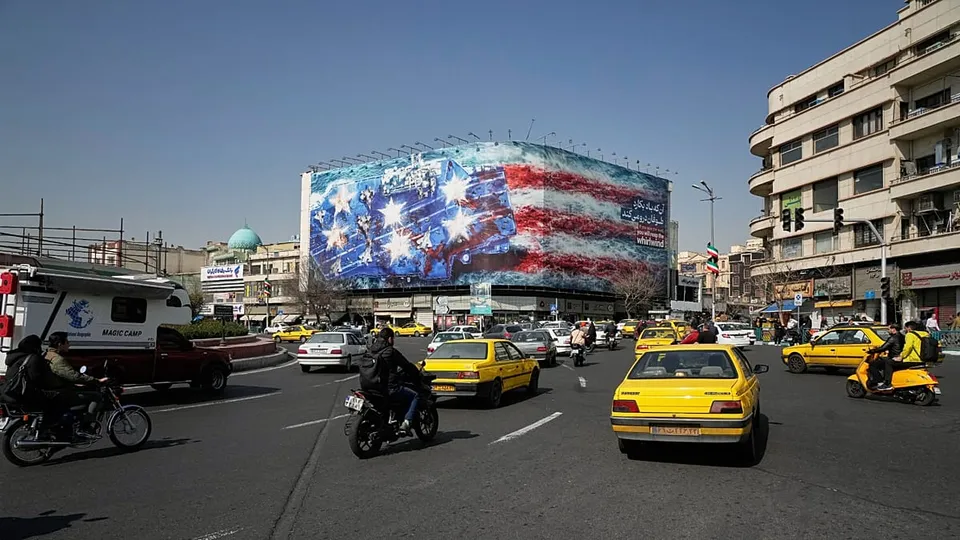
The United States and Iran are scheduled to hold their next round of nuclear talks on Thursday in Geneva, Oman confirmed Sunday. This development offers a glimmer of hope for diplomatic progress amidst heightened regional tensions. Oman's foreign minister, Badr al-Busaidi, confirmed the meeting. Iran's Foreign Minister Abbas Araghchi indicated that a "good chance" remains for a diplomatic solution, expecting to meet US envoy Steve Witkoff.
The confirmation comes as the US has increased its military presence in the Middle East, deploying aircraft carriers and bolstering air defenses. These actions coincide with renewed protests in Iran, which rights groups report have led to significant casualties. Iranian students held rallies on Sunday, commemorating those who died in recent unrest.
Araghchi stated that Iran is developing a draft proposal to avert military action, emphasizing that the nuclear issue is the sole focus of discussions. This is significant as the US and Israel have also sought to address Iran's missile program and its regional proxy support.
Despite potential for de-escalation, US President Donald Trump had previously warned of possible limited strikes against Iran, with both nations signaling preparedness for conflict if nuclear talks fail. Iranian President Masoud Pezeshkian acknowledged "encouraging signals" from negotiations but stressed Tehran's readiness for "any potential scenario."
The core of the dispute remains Iran's right to enrich uranium, a stance reiterated by Araghchi, while the US insists Iran cannot possess nuclear weapons or the capacity to develop them. US officials publicly maintain that Iran's enrichment activities must cease. Araghchi noted that recent discussions have centered on ensuring Iran's nuclear program remains peaceful indefinitely, with Iran implementing confidence-building measures in exchange for sanctions relief.
US envoy Steve Witkoff expressed curiosity regarding Iran's reluctance to yield to pressure, questioning why Tehran had not proactively proposed terms for a peaceful resolution. While Iran maintains its nuclear program is peaceful, suspicions persist about its ultimate aims. The upcoming talks follow years of deadlock after the US withdrawal from the 2015 nuclear deal in 2018.