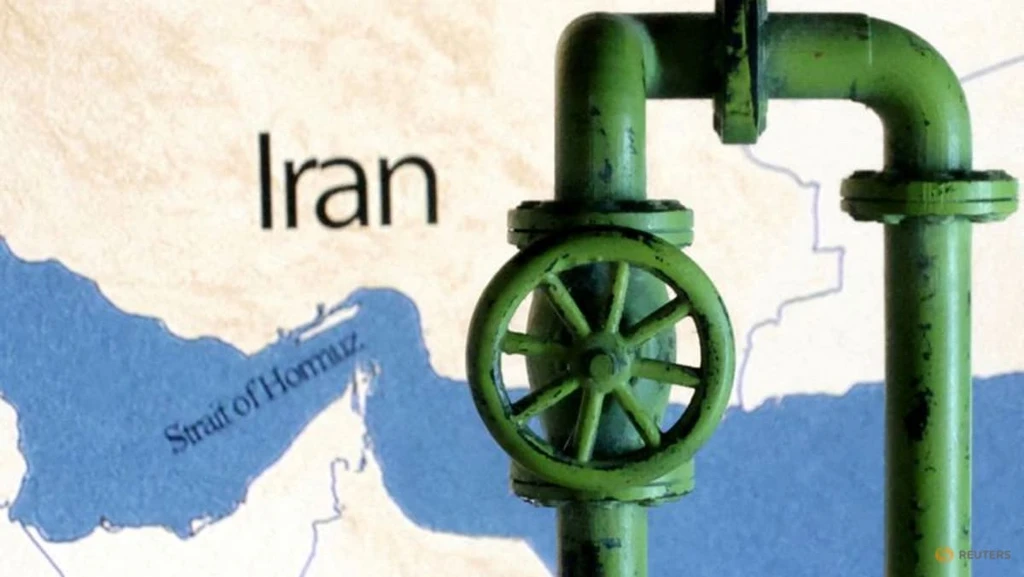
Iran's war strategy aims to inflict an economic cost on the US via surging gasoline prices, forcing an end to the conflict. Saudi Arabia and the UAE's East-West and separate bypass pipelines offer a potential, though limited, cushion against rising oil prices if Iran closes the Strait of Hormuz. The Saudi pipeline can reroute up to 5 million barrels daily, while the UAE's can handle 1.5 to 2 million barrels.
These bypasses can slow, but not halt, price increases. Oil prices surged 20% initially, but the pipelines may delay further gains, buying President Trump time. The success of this strategy hinges on the pipelines functioning, a swift end to the war, and undamaged regional oil infrastructure. State producers are actively diverting oil to Red Sea terminals, a scale unprecedented in operations.
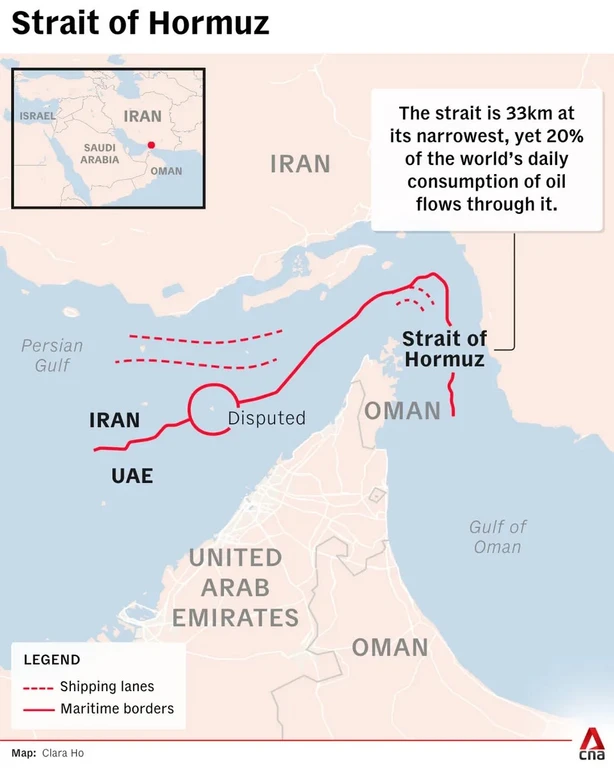
However, diverting oil puts Saudi Arabia and the UAE on a security tightrope, potentially inviting retaliation from Tehran. The conflict risks escalating tensions, drawing these Gulf states deeper into hostilities. The situation mirrors historical attempts to cut off vital supplies, now framed as a "battle of the pipelines."