Crude oil prices have surged past $100 a barrel for the first time in over three years, driven by escalating conflict in the Middle East. West Texas Intermediate (WTI) climbed to $109.17, and the international Brent benchmark reached $110.35.
These price hikes follow significant increases last week, as the ongoing war disrupts critical oil and gas production and shipping routes. The Strait of Hormuz, a vital chokepoint for global oil transit, faces significant threats from Iranian missile and drone activity, leading to reduced tanker traffic. Consequently, Iraq, Kuwait, and the UAE have cut production due to storage limitations.
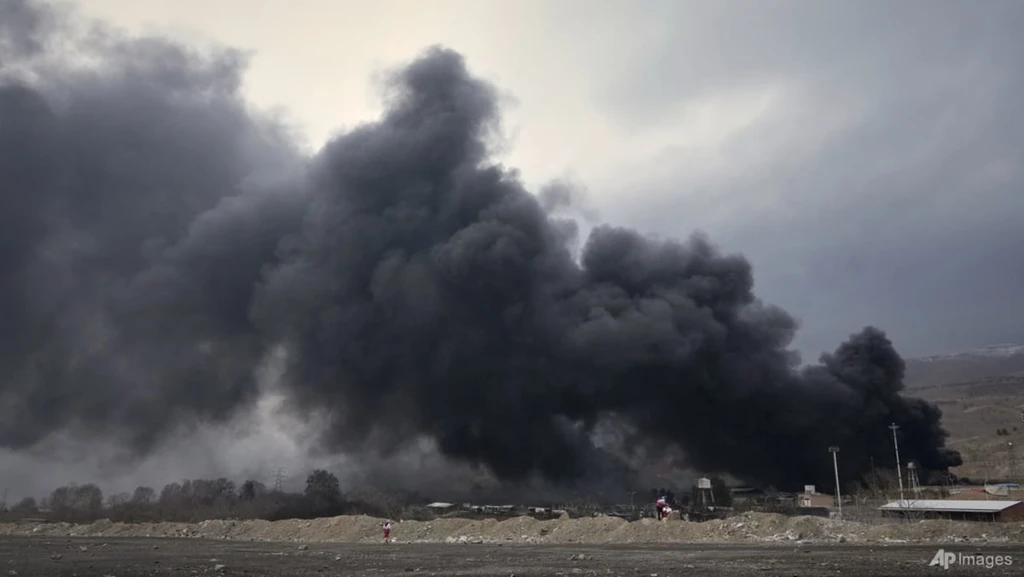
Attacks on oil and gas facilities by Iran, Israel, and the United States have further exacerbated supply concerns. The price surge is unsettling financial markets, raising fears of increased inflation and reduced consumer spending in the U.S.
In the United States, the cost of regular gasoline has risen approximately 47 cents in a week to $3.45 per gallon, with diesel prices increasing by about 83 cents to $4.60 per gallon. Natural gas prices have also seen an increase.
Analysts warn that sustained oil prices above $100 per barrel could strain the global economy. Iran's significant daily oil exports, largely to China, face potential disruption, adding another layer to upward price pressure.