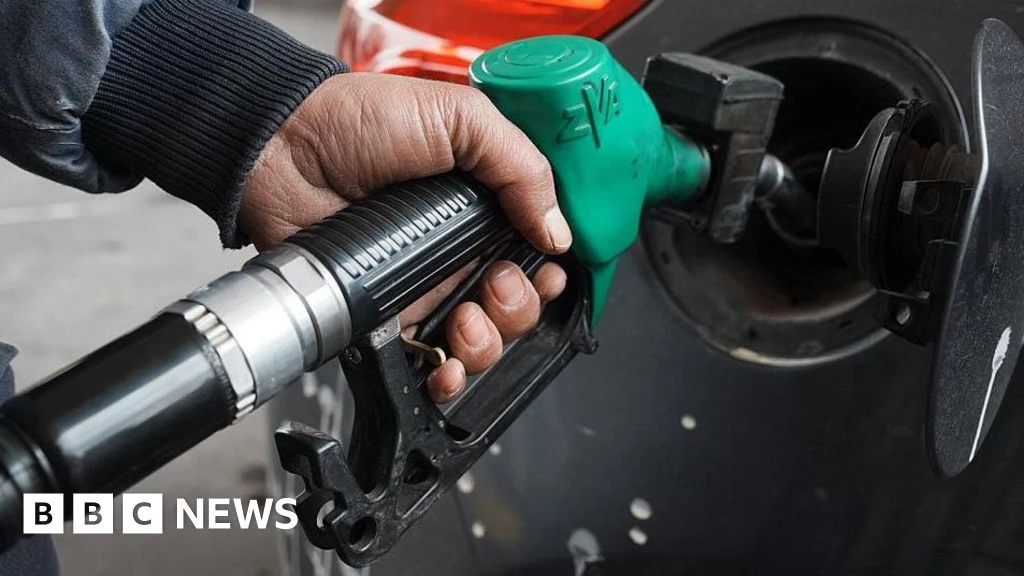
Oil and gas prices have sharply increased following new threats from Iran targeting Gulf shipping lanes. Brent crude jumped 3.2% to $80 a barrel, while gas prices surged by 30% to around 140p a therm. This escalation follows "military attacks" on QatarEnergy facilities, prompting a production halt from the major exporter.
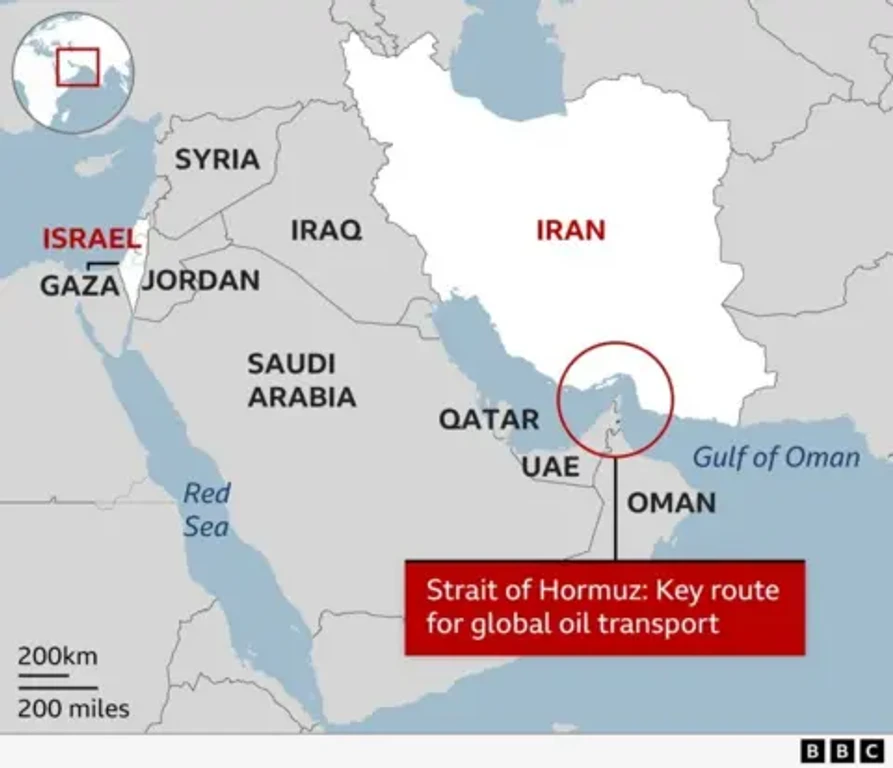
An adviser to Iran's Islamic Revolutionary Guard Corps warned ships to avoid the region or face a "serious response." The Strait of Hormuz, through which approximately 20% of global oil and gas passes, is effectively closed due to the heightened risk and insurers' unwillingness to cover it. Shipping costs for supertankers have reached an all-time high.
Global stock markets reacted negatively, with European and Asian indices falling significantly. The UK's FTSE 100 and Germany's Dax opened lower, while Asian markets like Japan's Nikkei, Hong Kong's Hang Seng, and China's Shanghai Composite also saw substantial drops. South Korea's Kospi experienced a severe decline.
Analysts predict crude oil prices could exceed $100 a barrel if disruptions persist. This could lead to a further 25-cent per gallon rise in US petrol prices and increased fuel costs globally. Higher energy prices are expected to drive up transportation and food costs, potentially delaying central bank interest rate cuts due to rising inflation.
US officials are set to announce plans to mitigate rising energy prices.