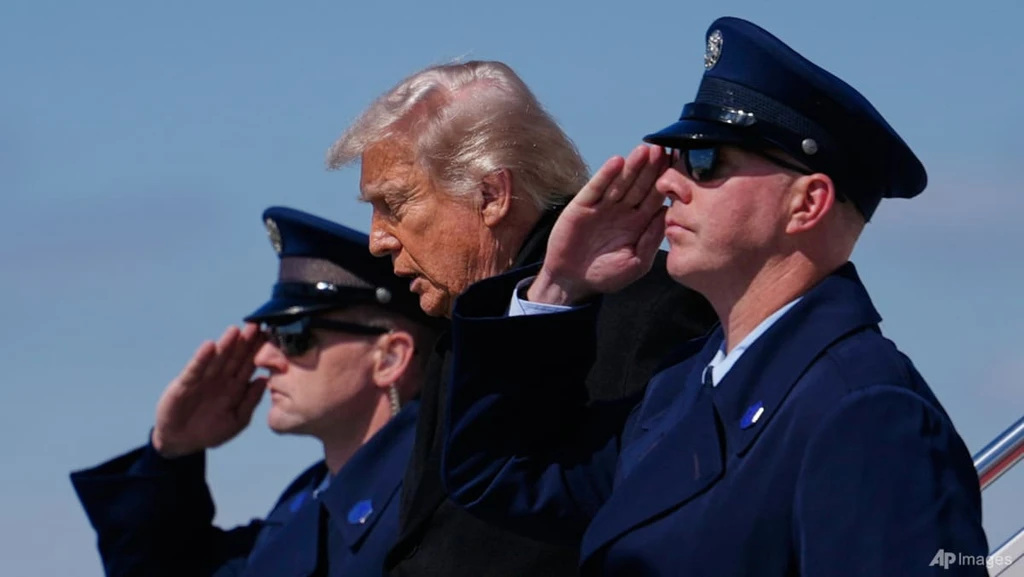
Wars are lost not on battlefields but in leaders’ minds. The Trump administration’s miscalculation of Iran reveals a dangerous pattern: overconfidence bred by past victories.
Before the conflict, US officials dismissed risks, citing stable oil prices after a brief 12-day war in June 2025. But Iran responded with drone and missile strikes across the region, closing the Strait of Hormuz-using only cheap drones-causing tanker traffic to halt and sparking the worst energy crisis since the 1970s.
The US lacked a plan to reopen the strait. With no embassy in Tehran and reliance on flawed intelligence, Washington failed to anticipate Iran’s rebuilt military or regional expansion. The crisis reached the Indian Ocean when a US submarine sank an Iranian frigate off Sri Lanka-just days after it participated in multinational naval drills.
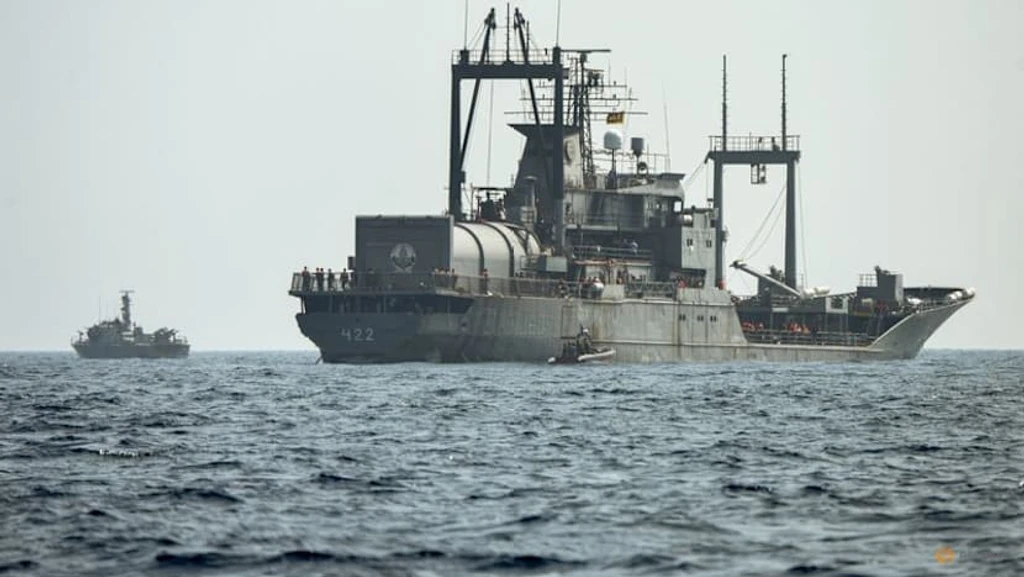
Diplomatic fallout with India and Sri Lanka followed, as both nations sought neutrality amid pressure. The failure wasn’t intelligence-it was strategic imagination.
History shows that clean military wins inflate hubris. Vietnam, Afghanistan, Ukraine-all demonstrate that external force cannot impose order on resistant societies. Iran learned from Ukraine’s asymmetric tactics, using low-cost drones to disrupt global shipping without engaging in conventional warfare.
Iran now selectively opens the strait to neutral nations, isolating US allies. Victory isn’t required-only cost escalation and coalition fracture.
Professor Monica Duffy Toft, Director of the Center for Strategic Studies at Tufts University, warns: the US scored high on the 'hubris/humility index' when humility was essential.