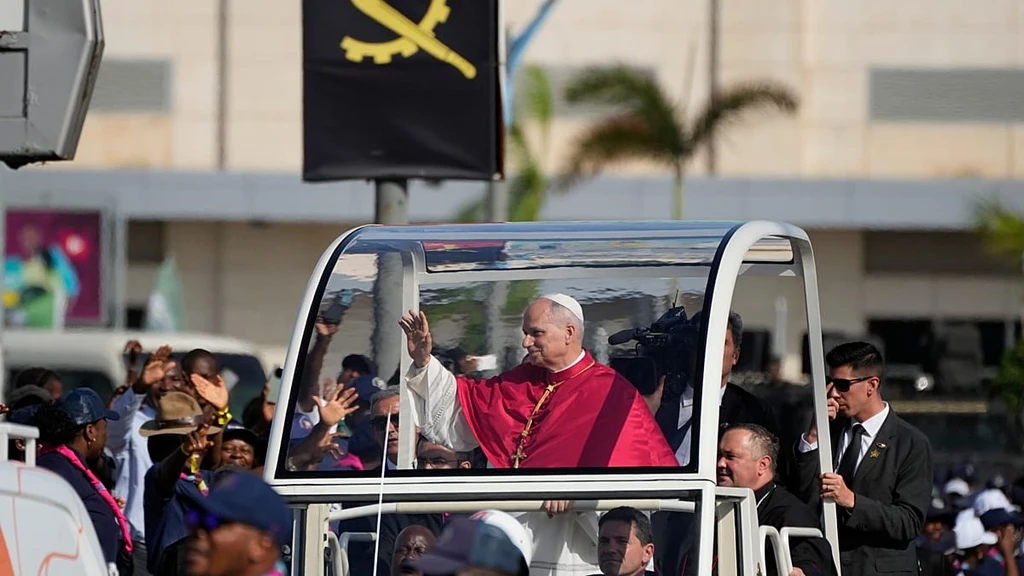
Pope Francis concluded his tour of Africa with a significant visit to Angola, a nation rich in oil and minerals but burdened by a turbulent past. During his address to Angolan authorities, the Pope acknowledged the country's history of colonial exploitation and civil war, emphasizing the inherent value of its people and resources. "You know well that, all too often, people have looked - and continue to look - to your lands in order to give, or, more frequently, to take," he stated.
Despite Angola's status as a major oil and diamond producer, over 30% of its population lives in poverty. The Pope urged a break from the "cycle of vested interests" that commodifies human life. He also implicitly referenced past corruption, noting that billions were allegedly stolen during a previous administration. While the current government vows to combat corruption and recover looted funds, critics question the motives behind these actions.
During Sunday Mass, Pope Francis called for an end to corruption in Angola, urging a "new culture of justice and sharing." The highlight of his visit was a trip to Muxima, a historic Catholic shrine and a poignant symbol of Angola's deep involvement in the transatlantic slave trade, where an estimated 5 million Africans were forcibly shipped across the ocean. The pontiff prayed the rosary at the Mamã Muxima church, acknowledging the site's religious significance and its connection to a complex history of exploitation and devotion.