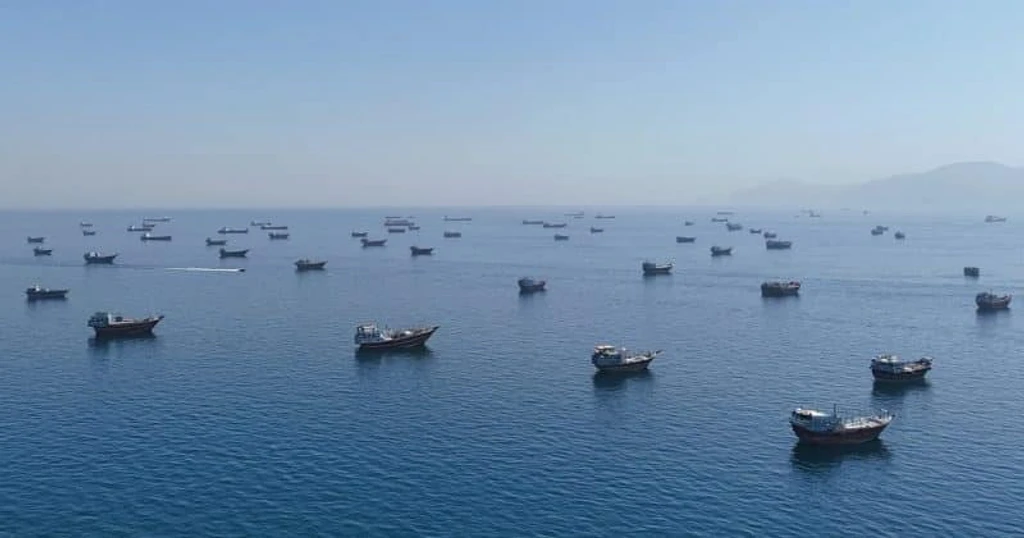
Pakistani Prime Minister Shehbaz Sharif announced on June 13 that the United States and Iran have finalized a peace deal. The agreement extends the April 8, 2026, ceasefire by 60 days and mandates the reopening of the Strait of Hormuz to maritime traffic.
The strategic waterway handles approximately 20% of global oil transit. Its closure since late February 2026, following US and Israeli military actions that included mining the channel, has severely disrupted global energy supplies.
Key provisions include the immediate or phased removal of tolls in the Strait, the lifting of the US naval blockade on Iranian ports, and a framework for future nuclear negotiations. While President Trump confirmed the deal is largely negotiated and promised an immediate opening upon signing, Iranian officials have urged caution regarding the exact timeline.
Market reaction was swift. Oil futures declined on the news, while equity markets rallied. The reopening promises to lower shipping costs, insurance premiums, and stabilize petrochemical supply chains. However, discrepancies between US and Iranian statements on timing introduce execution risk for traders betting on instant normalization.