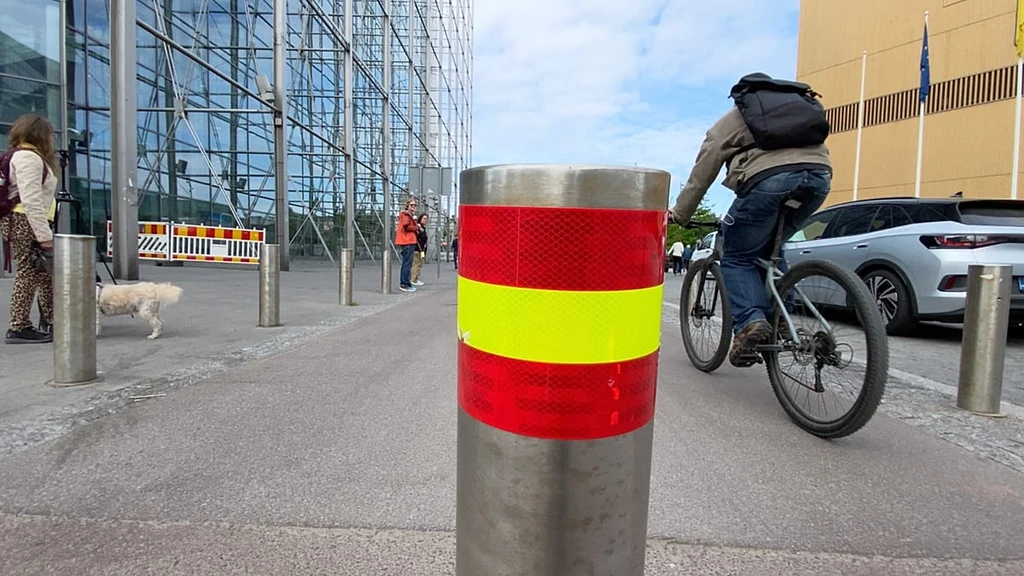
Helsinki, Finland, has achieved a remarkable urban safety milestone. The city recorded 12 consecutive months without a single road death between 2024 and 2025. By comparison, Paris recorded 31 fatalities during a similar period.
The success stems from a 40-year, comprehensive strategy. Key measures include dramatically reduced speed limits, extensive pedestrian and cycling infrastructure, and strict enforcement.
"The city has reduced speed limits, improved walking and cycling facilities, narrowed roadways and built speed camera sites," explained Roni Utriainen, a traffic engineer for Helsinki. "Public transport is very good and that also helps to reduce the number of car trips and collisions."
Helsinki has invested heavily in dedicated infrastructure. This includes tunnels and bridges built exclusively for pedestrians and cyclists. Last year alone, the city invested about €35 million in cycling and pedestrian networks.
Enforcement and public communication are critical components. "We have 70 automatic speed cameras," said Dennis Pasterstein of the Helsinki Police. "Last year, our social media safety campaigns had 30 million views, multiplying the impact of traditional fines."
Looking ahead, Helsinki plans to ban private cars from busy streets near its Central Railway Station by 2030. Officials suggest other cities can learn from their model.
"The goal was set here 40 years ago. Now it's a reality," said Martti Tulenheimo of the Finnish Cyclists' Federation. "If I would mention just one thing, that would be reduce speed limits. It is important."
This achievement aligns with the European Union's "Vision Zero" strategy, which aims to eliminate road fatalities by 2050.