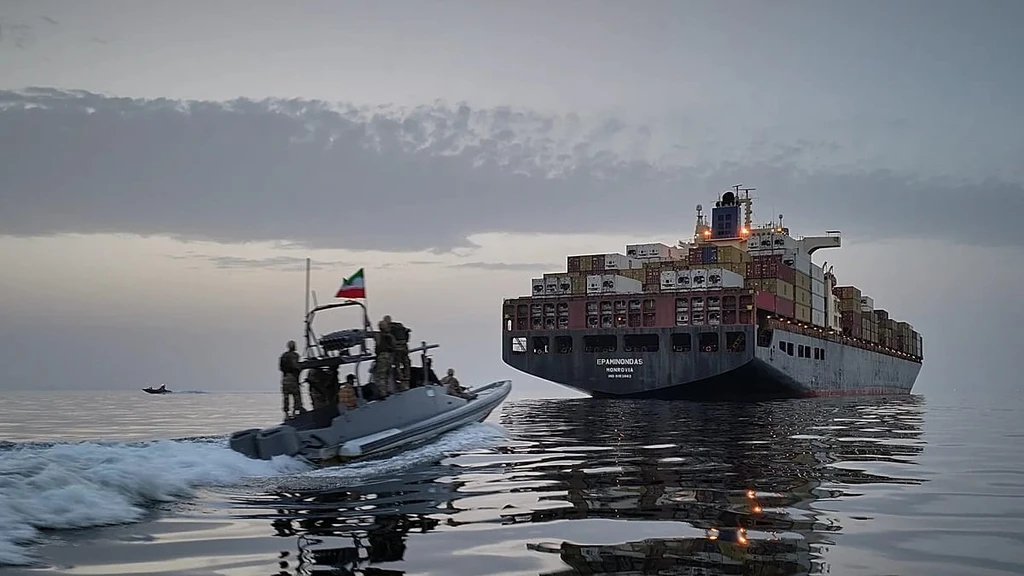
Approximately 20,000 seafarers and hundreds of cargo vessels, including oil tankers, are stranded in the Gulf, unable to navigate the Strait of Hormuz. This crucial waterway, which normally handles a fifth of global oil and LNG, has seen transits plummet by more than 60% since conflict escalated.
In recent weeks, dozens of ships have been attacked, resulting in fatalities and UN-reported casualties among seafarers. Despite a ceasefire extension, a U.S. blockade of Iranian ports remains in effect. Iran has retaliated with attacks and seizures of vessels within the strait.
"Seafarers are the backbone of global trade, yet we are often the most affected by regional geopolitical conflicts," stated Captain Arunkumar Rajendran, whose tanker crew has been stranded for eight weeks.
The International Maritime Organization (IMO) is calling for a safe passage corridor. However, heightened risks from potential sea mines and attacks have rendered transit unsafe, according to IMO Secretary General Arsenio Dominguez. These recent crises add to a growing list of challenges faced by seafarers, including the COVID-19 pandemic, the war in Ukraine, and Red Sea attacks.