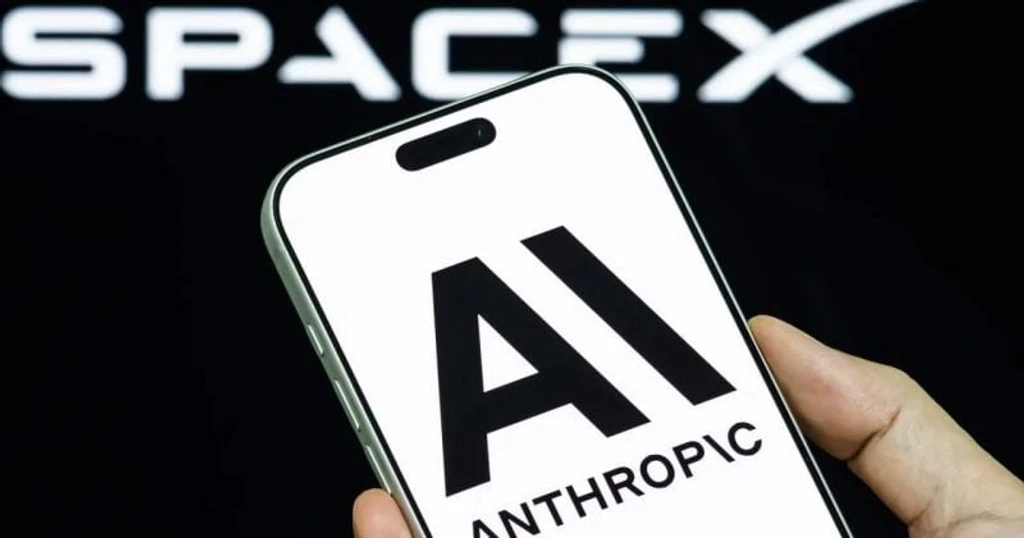
SpaceX publicly filed its S-1 prospectus with the SEC on May 20, targeting a $75 billion raise on the Nasdaq under the ticker SPCX. At a share price of $135 across 555.6 million shares, the listing implies a valuation between $1.75 trillion and $2 trillion. That would make it the largest US IPO ever.
Anthropic followed less than two weeks later, confidentially filing its own draft registration statement on June 1. The AI company is now ahead of rival OpenAI in the race to go public, with analysts projecting a debut valuation between $900 billion and $1 trillion. OpenAI is working with Goldman Sachs and Morgan Stanley on a potential September or Q4 2026 listing, aiming to raise around $60 billion at a $1 trillion valuation target.
Collectively, these three companies could pull somewhere north of $150 billion to $200 billion from public markets-a figure that would dwarf total US IPO proceeds from most recent full calendar years.
Investors are zeroing in on governance questions, capital allocation strategies, and a concern unique to SpaceX: the gap between what Elon Musk says publicly and what appears in official SEC filings. Musk’s history of making market-moving statements on social media that don’t align with corporate disclosures is a potential liability for a public company.
Anthropic’s projected valuation is remarkable for a company that, like most frontier AI labs, has been burning through cash at an extraordinary rate. OpenAI faces the same cost dynamics, with additional complexity from its unusual corporate structure and regulatory scrutiny.
The sheer scale of these listings will test market liquidity in ways not seen before. Combined proceeds exceeding $150 billion mean capital must come from somewhere, potentially creating selling pressure across tech and growth stocks broadly.