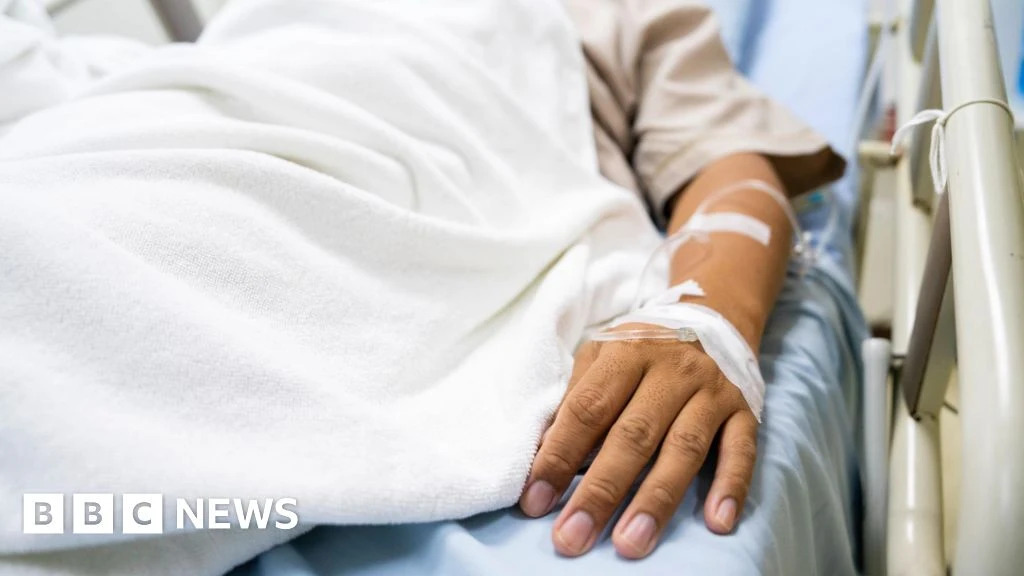
India's Supreme Court has issued a landmark ruling, permitting the removal of life support for Harish Rana, a 31-year-old man who has been in a vegetative state for more than ten years. This marks the first court-approved instance of passive euthanasia in India, which involves withdrawing or withholding life-sustaining treatment.
Rana suffered severe head injuries in a 2013 fall and has remained in a coma since. His parents, after exhausting their savings and facing concerns about his future care, repeatedly petitioned courts to allow the removal of his life support. The Supreme Court noted that Rana has not responded to treatment, exhibiting sleep-wake cycles but no meaningful interaction, and remains dependent on others for all self-care activities.
India legalized passive euthanasia in 2018, though active euthanasia remains illegal. Rana's case has prompted a debate on the ethics of court-approved passive euthanasia, particularly concerning the principle of self-determination and the absence of a living will from the patient.
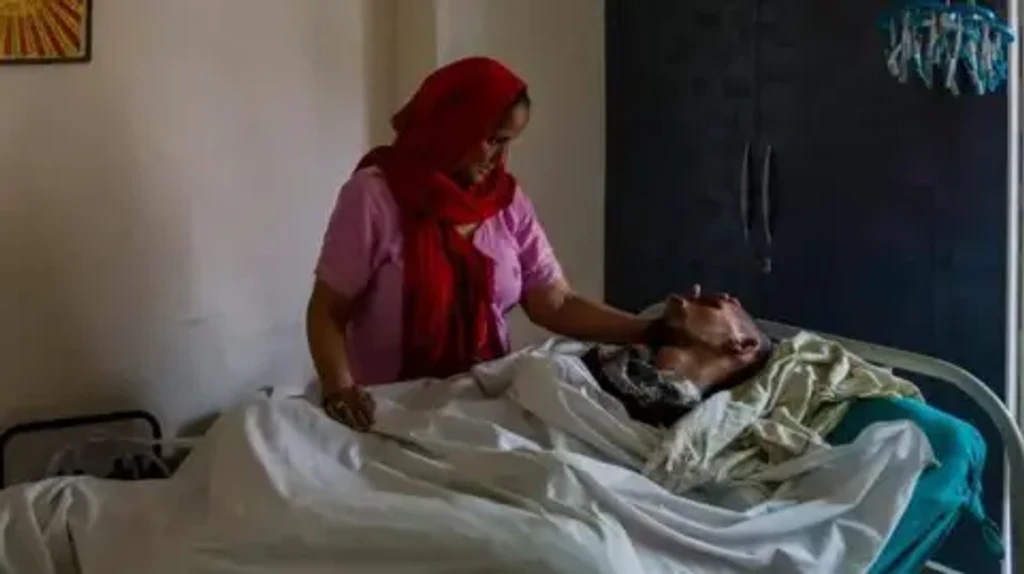
Medical boards assessed Rana's condition, concluding he had a negligible chance of recovery and requires external support for basic functions, with permanent brain damage. The ruling allows medical boards to exercise their clinical judgment regarding the withdrawal of treatment.