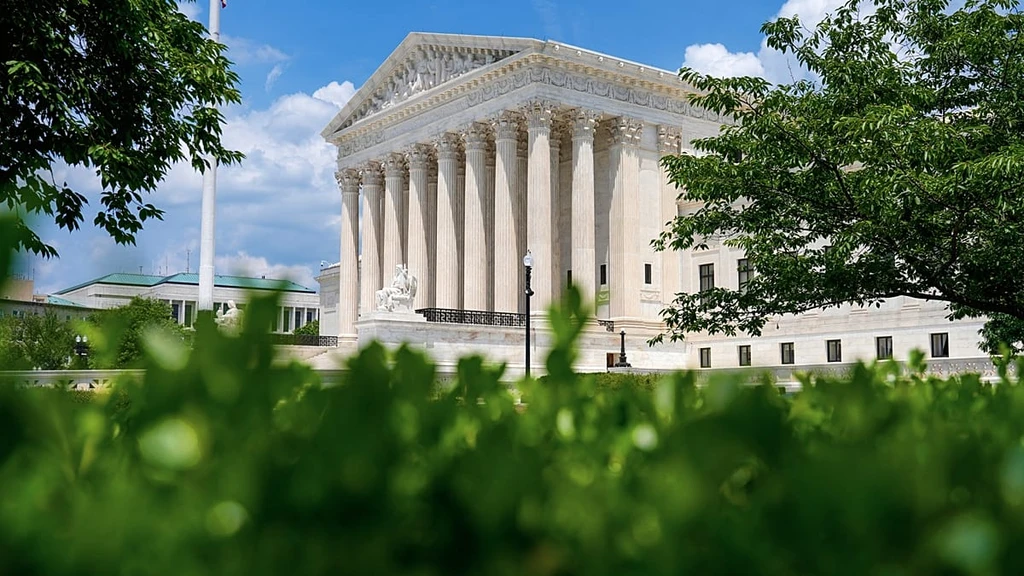
The U.S. Supreme Court on Thursday ruled 6-3 that the Trump administration can immediately end Temporary Protected Status for approximately 350,000 Haitians and 6,000 Syrians, overturning lower court blocks and clearing the way for mass deportations.
The decision in Mullin v. Doe grants immigration authorities unreviewable power to terminate the 1990 program, which shields migrants from deportation when home countries are deemed too dangerous. The conservative majority found courts lack jurisdiction to intervene.
TPS currently protects 1.3 million people from 17 nations. Haiti was designated in 2010 after an earthquake; Syria in 2012 during civil war. The administration has already moved to end protections for 13 countries, with Thursday’s ruling removing legal hurdles. Designations for El Salvador, Lebanon, Sudan and Ukraine come up for renewal this year. The State Department warns against travel to both Haiti and Syria due to violence.
Justice Samuel Alito wrote that the administration’s termination is beyond judicial review. He dismissed claims that Trump’s derogatory comments about Haitians showed racial bias, calling them “insufficient.” Justice Elena Kagan dissented, calling the president’s statements “repellent and racially inflected” and warning that lives will be “uprooted.”
Haitian community advocates said the ruling will cause “violent, needless deaths” and urged the Senate to pass a bipartisan House bill extending protections. The NAACP called it a “devastating betrayal.” FWD.us noted that 200,000 Haitian TPS holders work in the U.S., contributing $5.9 billion and critical labor in agriculture and nursing.
DHS General Counsel James Percival hailed a “win for the rule of law,” stressing that TPS is meant to be temporary. For Syrian TPS holders, the ruling creates deep uncertainty. “Today, many of our community members, they feel lost,” said Farrah AlKhorfan of Immigrants Act Now.