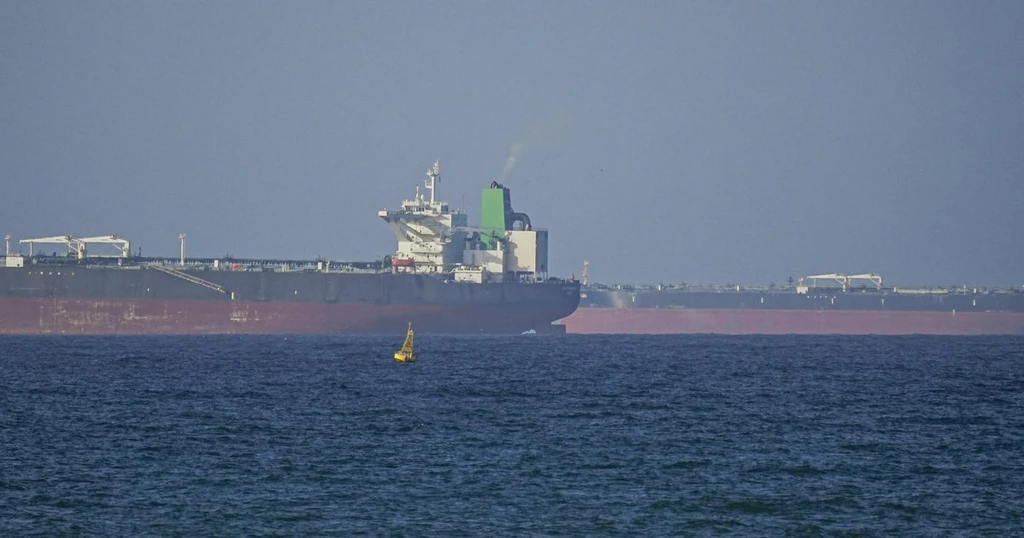
Maritime transit data reveals that only about a dozen ships passed through the Strait of Hormuz in the first two days following the U.S.-Iran ceasefire agreement. This is a stark contrast to normal traffic levels preceding the conflict.
The agreement, announced by President Trump, was intended to allow vessels to traverse the critical waterway, which handles approximately 20% of the world's oil supply.
However, conflicting reports emerged, with an Iranian news agency initially claiming traffic suspension due to Israel's actions in Lebanon. The White House disputed this, stating the Lebanon conflict was not part of the ceasefire terms. Vice President JD Vance acknowledged a "legitimate misunderstanding" regarding the agreement's specifics.
White House press secretary Karoline Leavitt confirmed an "uptick of traffic" and reiterated the demand for the Strait of Hormuz to be reopened immediately and safely.
Data from Marine Traffic shows that between Wednesday and Thursday, at least 12 ships transited the strait. This is a fraction of the average 129 vessels per day recorded in February before the war began on February 28th.
Only three of the recent transiting ships were oil or chemical tankers, all of which had previously been under U.S. sanctions for shipping Iranian oil. The remaining vessels were cargo ships.
Matt Smith, lead oil analyst at Kpler, noted that the strait typically sees 15 million barrels of crude pass daily, a figure now reduced to a "trickle."
Following the conflict's outbreak, traffic plummeted, averaging just six ships per day in March. While traffic has slightly increased this month, it remains far below historical averages.