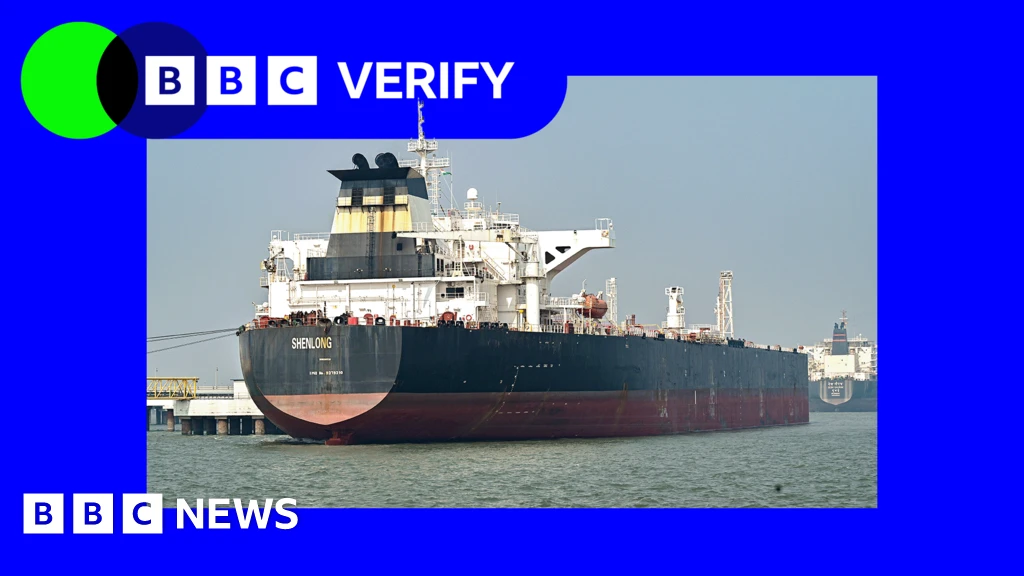
Just under 100 ships have passed through the Strait of Hormuz since March 1, down from 138 daily before the Iran war began on February 28. Data from Kpler shows a 95% decline in traffic, with only 5-6 vessels crossing per day.
Approximately one-third of recent crossings involve ships tied to Iran-14 under Iranian flag or sanctions. Nine vessels are linked to Chinese companies, six bound for India. Non-Iranian ships, including Greek-owned tankers, have docked at Iranian ports.
A Pakistan-flagged oil tanker took an unusually close route along the Iranian coast on March 15, suggesting compliance with Iranian directives. Experts believe this reflects deliberate navigation into territorial waters to avoid mines or attacks.
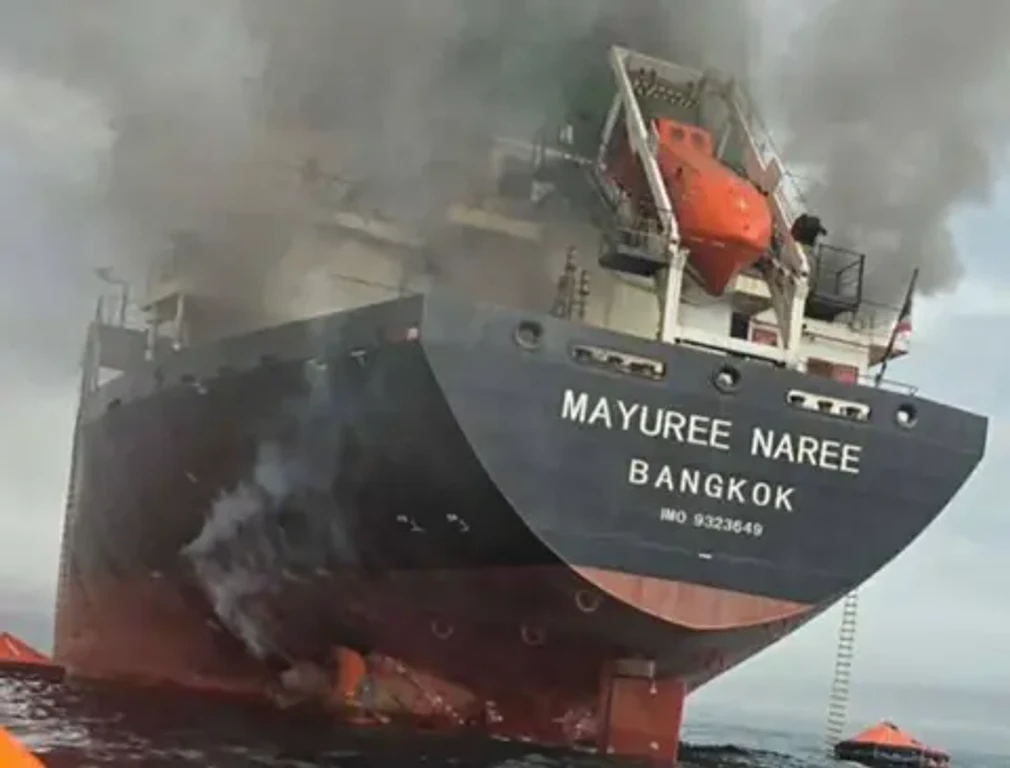
Since the conflict began, 20 commercial vessels have been attacked off the Iranian coast. The Thai-flagged Mayuree Naree was struck by two projectiles on March 11, leaving three crew missing and survivors traumatized. Two other ships-Star Gwyneth and MT Safesea Vishnu-were also hit that day, resulting in one death and mass evacuations.
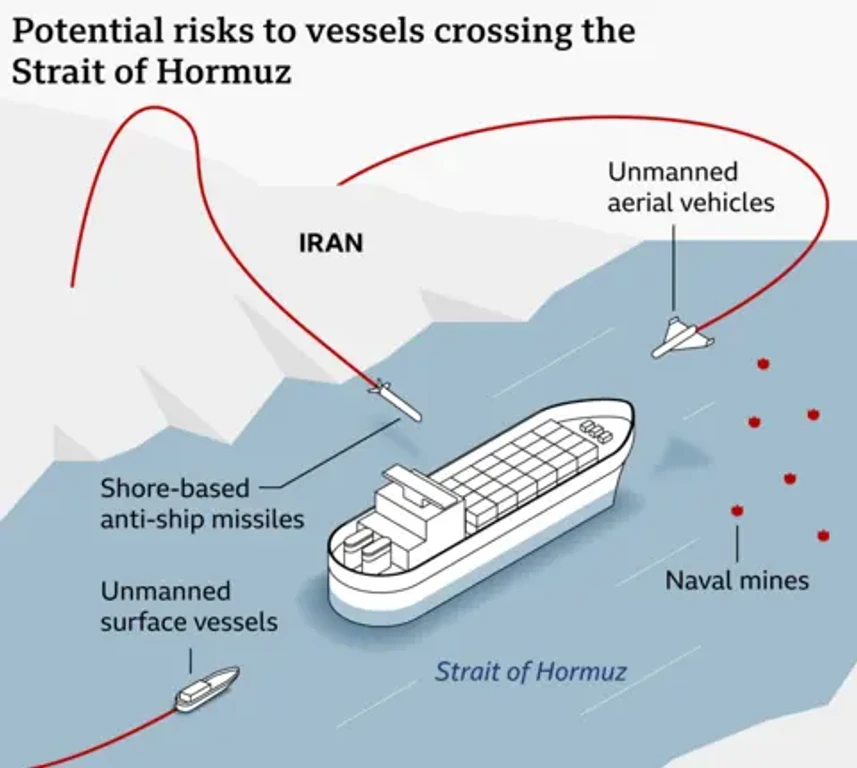
Threats include drones, shore-based missiles, fast attack boats, and potential naval mines. The strait’s narrow width, shallow depth, and mountainous terrain allow Iran to launch elevated attacks with limited reaction time.
Many ships disable their Automatic Identification System (AIS) to evade detection, disappearing from tracking maps. Analysts rely on satellite imagery and manual verification to confirm movements.