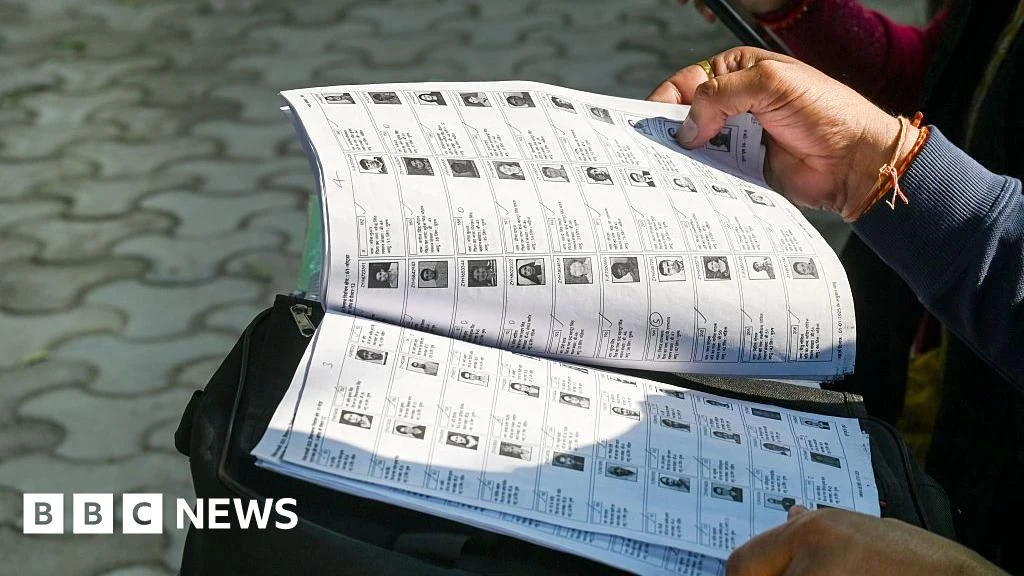
Nine million voters in India's eastern state of West Bengal have been removed from the electoral rolls ahead of state elections, a move that has ignited significant political controversy. This accounts for approximately 12% of the state's 76 million electorate.
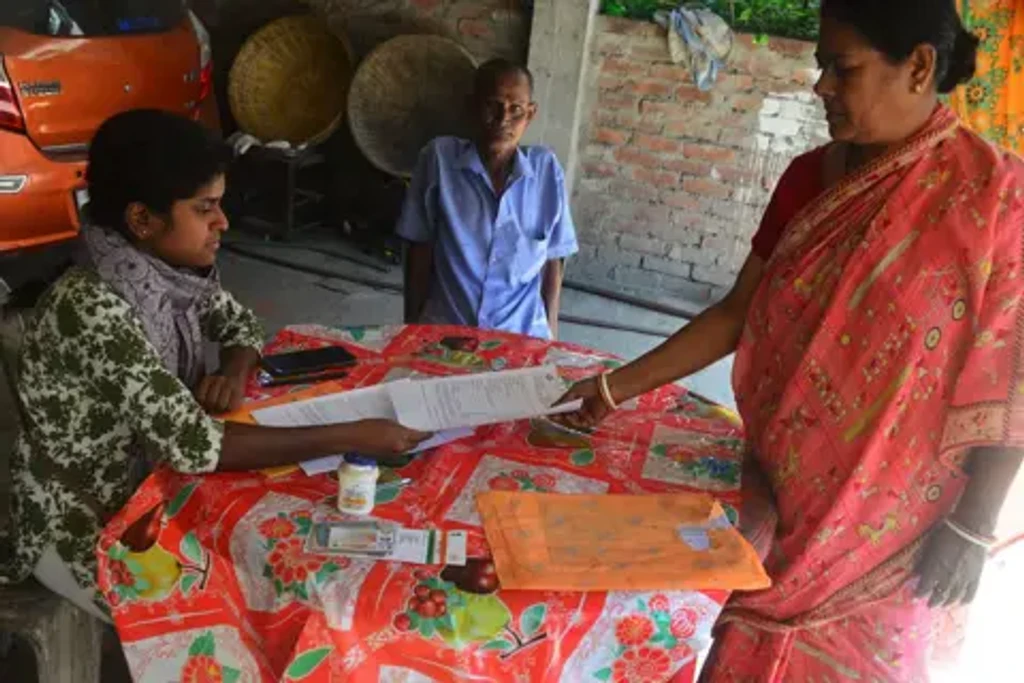
More than six million names were removed as absentee or deceased voters. The fate of another 2.7 million voters remains undecided, awaiting determination by tribunals. This revision exercise, intended to remove duplicate or outdated entries, has become particularly contentious in West Bengal, where the ruling Trinamool Congress (TMC) is in a heated dispute with the Election Commission.
Political leaders, including Prime Minister Narendra Modi, have suggested the clean-up targets "illegal Bangladeshi infiltrators," a claim the TMC argues is used to target Muslims. However, many Hindu voters have also been affected. The state, which shares a long border with Bangladesh, has India's second-largest Muslim population.
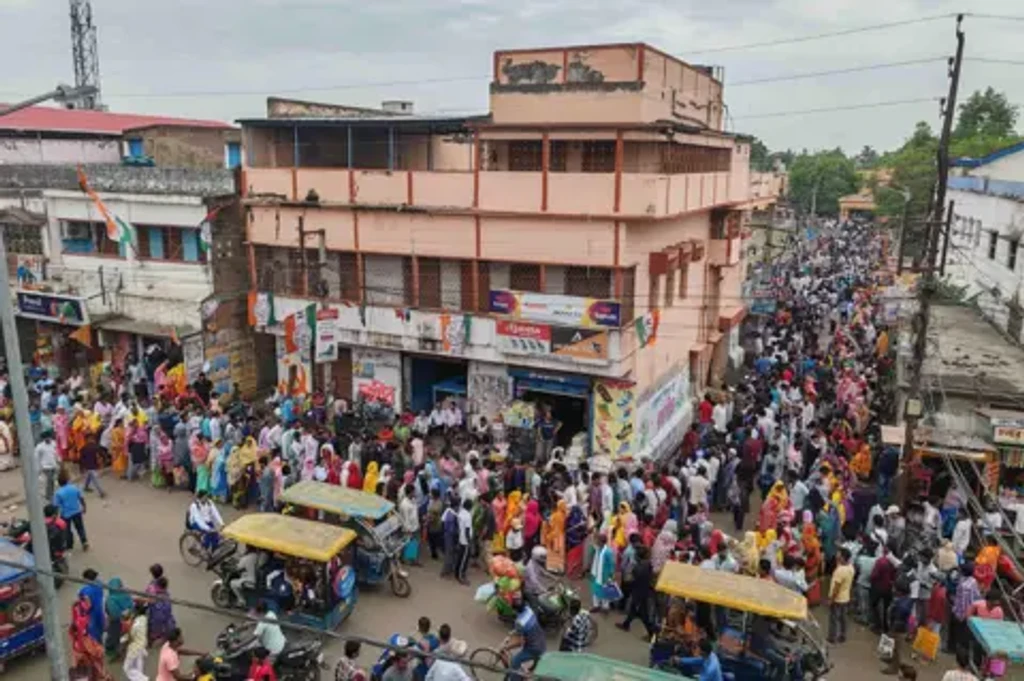
The TMC alleges the revision disenfranchised millions to benefit Prime Minister Modi's Bharatiya Janata Party (BJP), a charge both parties and the Election Commission deny. The Supreme Court has allowed the elections to proceed while disputes over deletions are ongoing, leaving the status of 2.7 million voters unresolved as elections are scheduled for April 23 and 29.
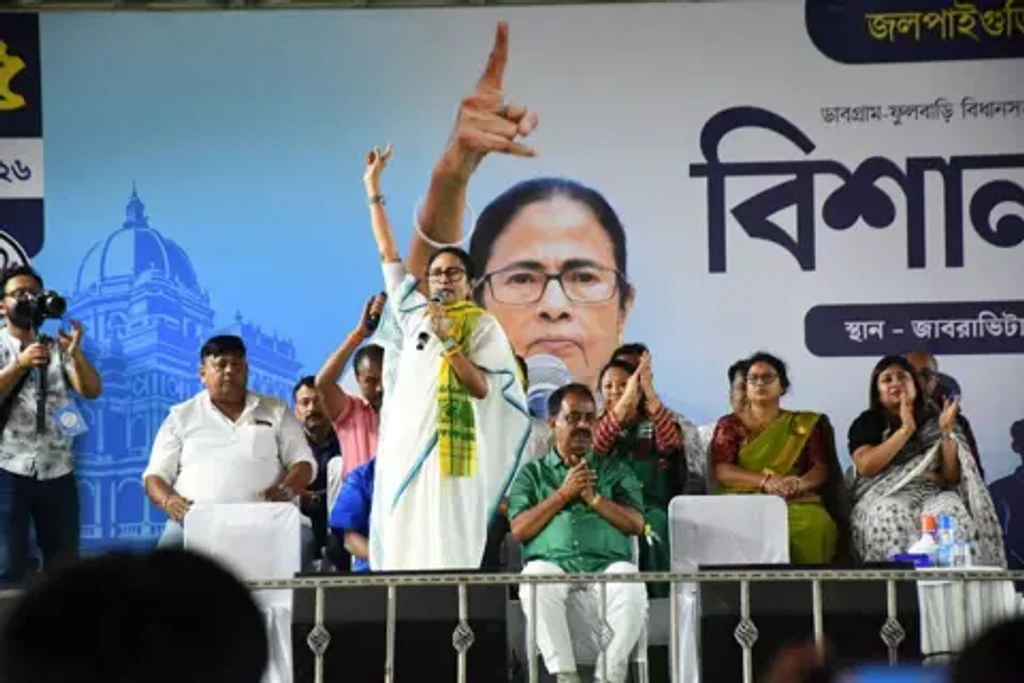
Concerns are mounting over errors and exclusion risks, with critics calling the situation a "shame for democracy." Federal minister Sukanta Majumdar, a BJP leader, maintains the revision is in the national interest to purge non-citizens. The impact of the deletions has been uneven, with sharp cuts in urban areas and border districts, disproportionately affecting Muslim and Dalit Hindu communities.