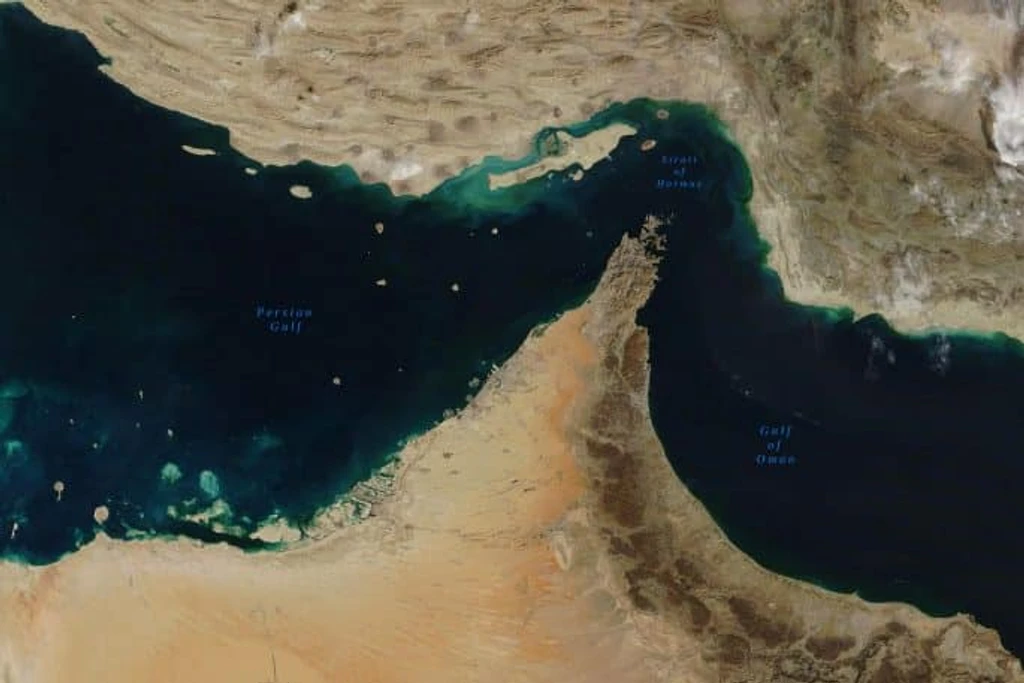
The closure of the Strait of Hormuz has caused a major disruption in global jet fuel supplies, with approximately 20% of the world’s exported jet fuel unable to reach airlines. The crisis began with U.S.-Israeli military strikes against Iran and the subsequent Iranian retaliation, which included the closure of this critical waterway. Iran’s Revolutionary Guard Corps has maintained the blockade using sea mines and ballistic missiles, significantly reducing tanker traffic.
Europe now faces potential shortages, with reserves expected to last only six weeks. Experts compare the disruption to the 1973 Arab oil embargo in its scale and impact on global energy security. Prediction markets show only a 2.2% probability that normal traffic will resume by May 15, and a 38.5% chance that President Trump will announce an end to the U.S. blockade by May 31. Observers are watching for diplomatic engagements between the U.S., Iran, and regional allies that could shift market expectations.