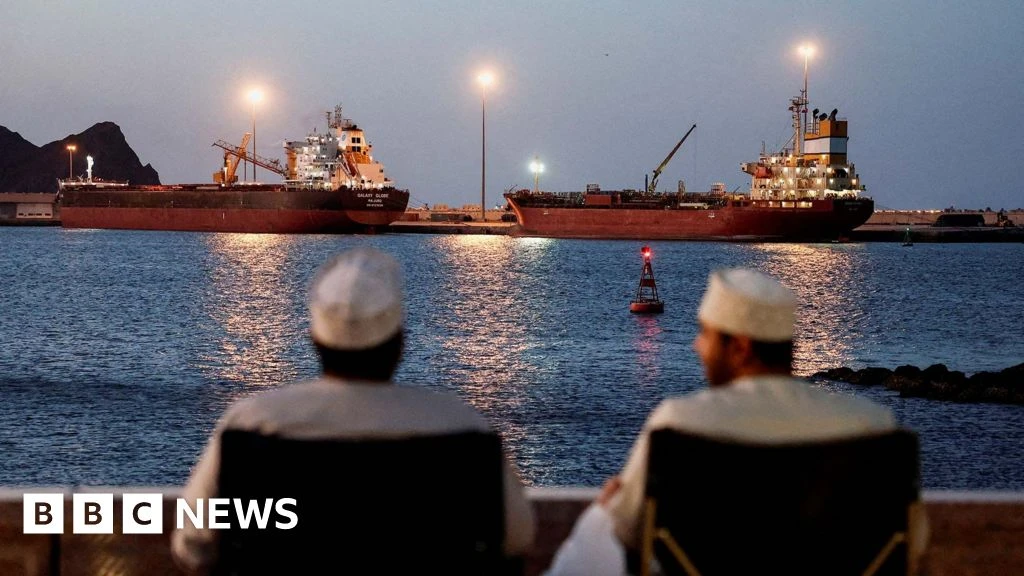
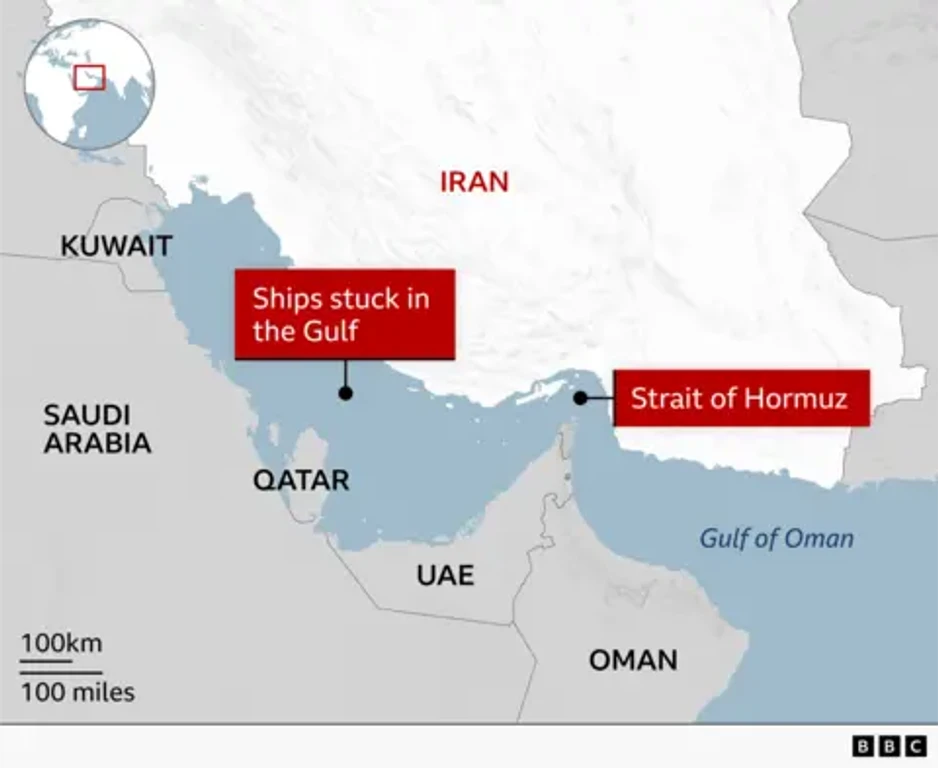
The sea is deceptively calm, but Captain Hassan Khan and 20,000 other sailors have been trapped in or near the Strait of Hormuz since late February. The US-Israeli war with Iran has turned one of the world’s busiest waterways into a dangerous standoff, with missiles overhead and mines below.
"The stress stays in our mind all the time," Khan says. "Everyone is just exhausted - both physically and mentally."
Iran shut the narrow waterway after the war began, refusing passage without its permission. The International Maritime Organization estimates 1,600 ships are stuck. Captain Shafiqul Islam, whose ship carries 37,000 tonnes of fertiliser bound for South Africa, tried twice to cross. Both attempts failed - once after a false ceasefire opening, and again when Iran reversed course after the US kept its ports blockaded.
Supplies are running low. Water costs have surged to $11,000 for 180 tonnes - up from $2,000. With summer approaching, temperatures could hit 45°C. At least 11 sailors have been killed in 39 verified incidents, according to the IMO.
Some ships - an estimated 750 since February 28 - have been allowed through, mostly from China, India, and Pakistan, after their owners paid millions in fees and used direct diplomacy with Iran. The Bangladesh Shipping Corporation initially agreed to pay Iran’s toll, but dropped the plan after the US threatened sanctions.
"We are in a double crisis now," says BSC managing director Commodore Mahmudul Malek.