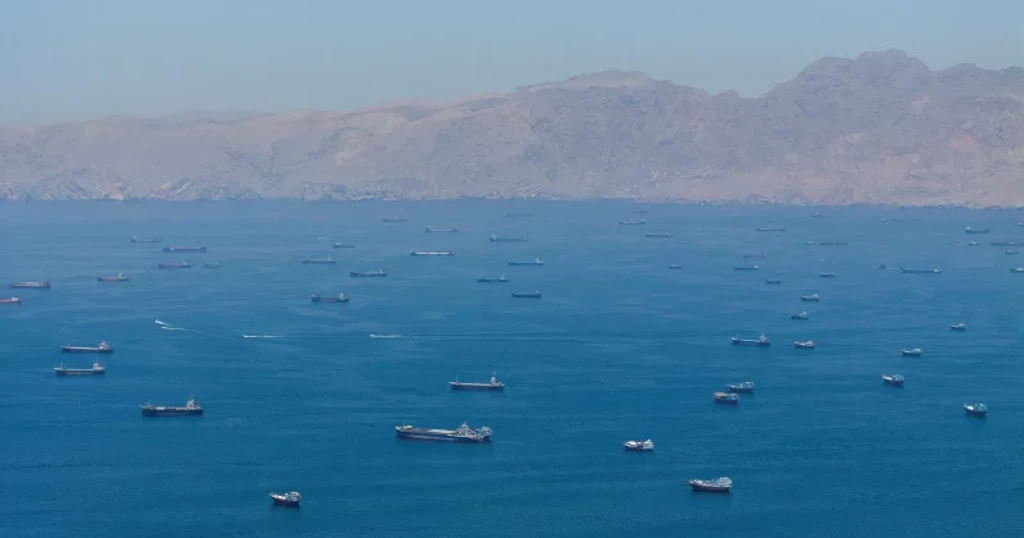
President Donald Trump declared on May 27 that neither Iran nor Oman will control the Strait of Hormuz, rejecting what he called an unacceptable bid to hand management of international waters to two nations. The statement came as Iranian state television reported a draft agreement for joint management was in the works.
The White House quickly dismissed that report. Trump went further, warning Oman for allegedly negotiating with Iran behind Washington's back. He insisted the strait must remain open to all nations, with the United States maintaining oversight.
Trump's rejection wasn't just diplomatic posturing. He explicitly stated no country would be allowed to charge tolls on shipping traffic passing through the strait.
This follows a US blockade on Iranian ports that Trump described as "100% effective." Negotiations to reopen the strait have not made progress.
Oman has historically played the role of quiet mediator in the Gulf, maintaining relationships with both the West and Iran. By engaging with Iran on a joint management framework, it crossed a line Trump was unwilling to tolerate. The public rebuke puts Muscat in an uncomfortable position.
Roughly one-fifth of the world's petroleum passes through the Strait of Hormuz daily. The blockade and stalled negotiations mean shipping through the strait remains uncertain.
What to watch: Whether negotiations resume and Oman's response to Trump's warning. If Muscat distances itself from the draft agreement, tensions ease. If Oman pushes back, the situation could escalate. The blockade's effectiveness has not been independently verified.