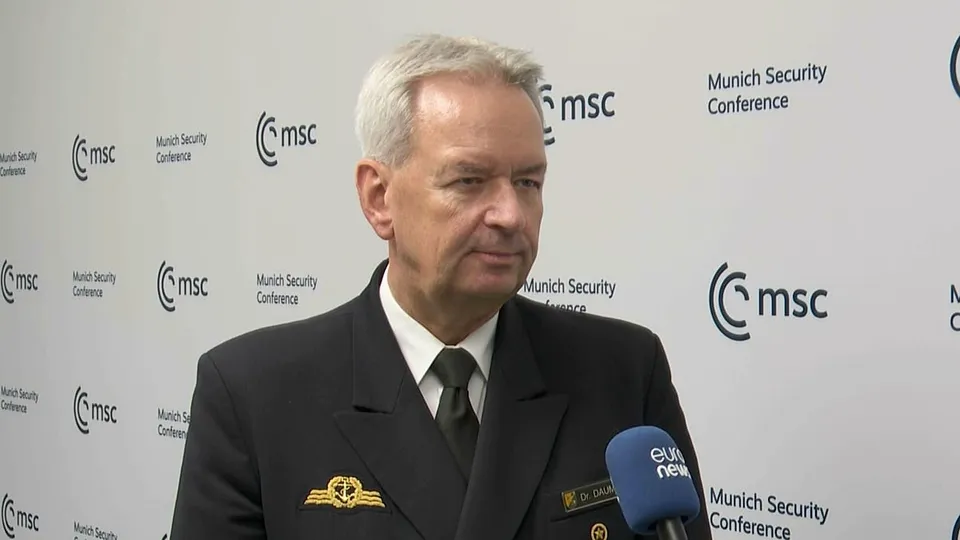
Space is no longer just for research; it's a critical pillar of Germany's national security. Vice Admiral Dr. Thomas Daum, Inspector of Cyber and Information Domain of the German Armed Forces, declares space a battlefield, emphasizing its importance for ground operations and civilian services like cash withdrawals. A "day without space" would be a "disaster" due to the risk of satellite attacks disrupting critical infrastructure.
To counter this, Germany is investing approximately €35 billion by 2030 in space-based reconnaissance, including the new "SPOCK" system. Built by Iceye and Rheinmetall, SPOCK utilizes radar satellites capable of imaging Earth's surface in all conditions, day or night.
Deterrence in space follows the same logic as other domains: demonstrating capability signals intent. This can involve non-kinetic measures like temporarily blinding optical sensors or jamming communications, degrading a satellite's usefulness without physical destruction. The goal is to gain tactical advantages and deter adversaries by showing their systems are vulnerable.
Germany's commitment to the US-led Artemis Accords prioritizes avoiding space debris, focusing on reversible measures to limit or disrupt satellite use. While the "zero debris" principle is official, there are discussions about demonstrating the capability to destroy systems, a move that would require adjusting space security strategy and carries significant political implications.
Beyond reconnaissance, secure satellite communications are vital. The Bundeswehr relies heavily on satellite links for global operations. The "SATCOMBw Stage 4" program aims to connect tanks, ships, aircraft, and troops worldwide, bolstering NATO's eastern flank. Unlike conventional systems with few large satellites, future resilience lies in constellations of thousands of small, interconnected satellites, similar to SpaceX's Starlink. This approach offers greater access points, resilience, and flexibility, as demonstrated by its use in Ukraine for drone operations. SpaceX has recently moved to block Russian forces from accessing Starlink services.