The U.S. is challenging Iran's closure of the Strait of Hormuz, a vital waterway for global oil trade, sparking renewed tensions despite a fragile ceasefire.
The U.S. military says it successfully escorted two American-flagged merchant ships through the strait on Monday, sinking six Iranian boats that were targeting vessels. Iran disputes this, claiming two civilian cargo boats were hit, killing five civilians.
Iran's parliamentary speaker, Mohammad Bagher Qalibaf, warned that the U.S. is undermining regional security and that a "new equation" is taking shape. He signaled that Iran has yet to fully respond, saying: "We know full well that the continuation of the status quo is intolerable for America; while we have not even begun yet."
U.S. President Donald Trump stated Sunday that Iranian efforts to block the strait "will, unfortunately, have to be dealt with forcefully." The U.S. has named its effort "Project Freedom" and says it aims to aid tens of thousands of stranded seafarers.
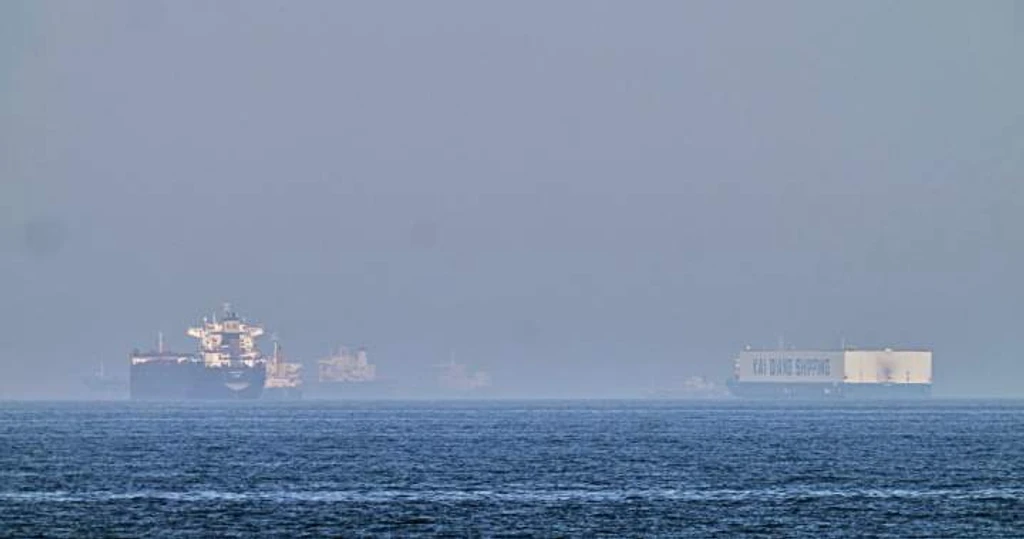
The United Arab Emirates reported that its air defenses engaged 15 missiles and four drones fired by Iran. Authorities in the eastern emirate of Fujairah said one drone sparked a fire at an oil facility, wounding three Indian nationals. The British military reported two cargo vessels ablaze off the UAE.
Indian Prime Minister Narendra Modi condemned the attacks, calling the targeting of civilians and infrastructure "unacceptable." Iran's Foreign Minister Abbas Araghchi warned both the U.S. and UAE "should be wary of being dragged back into quagmire."
The disruption of the waterway, through which about a fifth of the world's oil and natural gas typically passes, has sent fuel prices soaring and rattled the global economy.