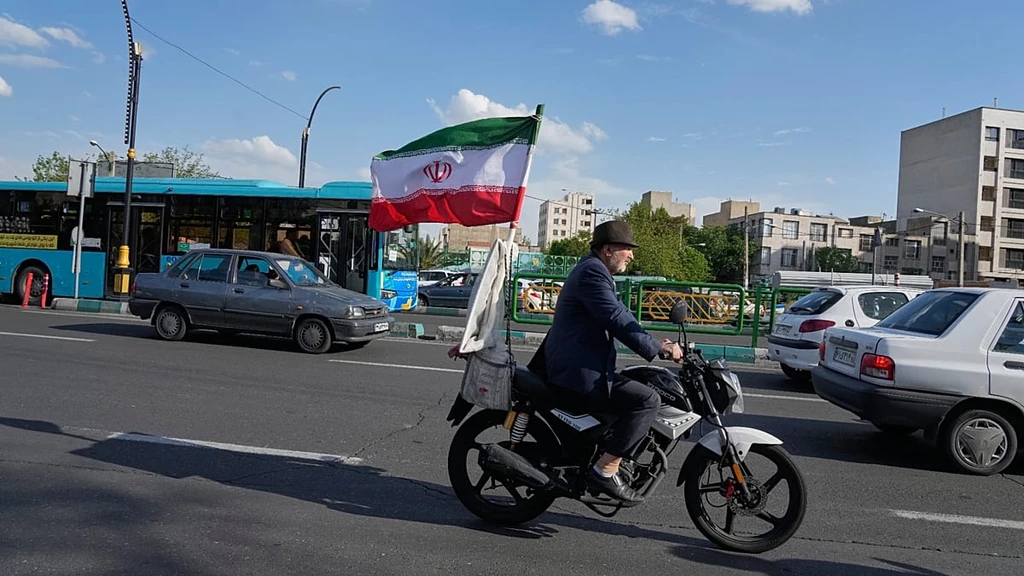
The Iranian rial collapsed to a historic low on Wednesday, trading at 1.8 million to the US dollar, as the Trump administration signaled it would maintain its naval blockade of Iran's ports for months if necessary. The currency's freefall marks a significant escalation in the economic front of the ongoing conflict.
President Trump told Axios he has no intention of lifting the blockade, rejecting Tehran's proposal to reopen the Strait of Hormuz in exchange for an end to the US naval siege. "The blockade is somewhat more effective than the bombing," Trump said. "They are choking like a stuffed pig."
The White House confirmed that Trump and senior officials met with oil executives this week to discuss sustaining the blockade for months to maximize economic pressure on the Iranian regime while limiting the impact on US consumers.
The rial's collapse accelerated after businesses reopened following the war's onset on February 28, when markets had initially shut down. The currency had previously fallen from 1.4 million to 1.6 million per dollar, sparking nationwide protests in January that were met with a violent crackdown.
Iran's Statistical Centre reported annual inflation hit 53.7% in Farvardin, the highest since 1943, with point-to-point inflation at 73.5%. Food prices have surged dramatically: chicken prices rose 75% in the past month, beef and lamb by 68%, and many dairy products by 50%. Imported goods priced in dollars, including medicine and raw materials, are also rising as the currency declines.
If the blockade holds and the government cannot inject foreign currency into the economy, analysts expect the rial to break through further thresholds in the coming weeks, deepening the recession and increasing absolute poverty.