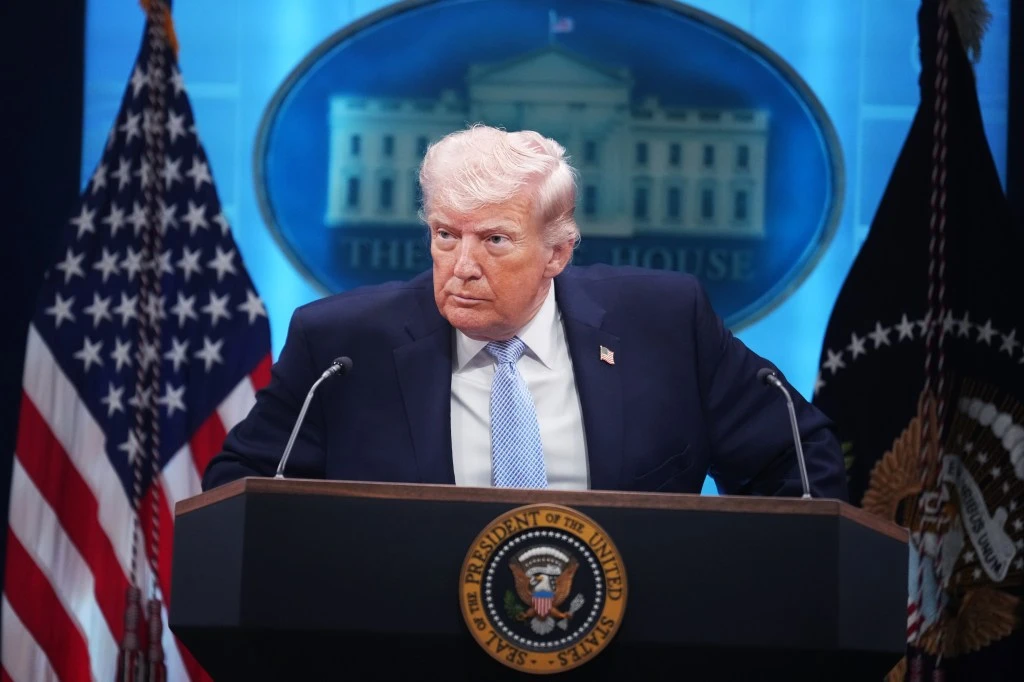
Donald Trump's characteristic confrontational approach, effective domestically, consistently backfires on the international stage, alienating crucial allies.

Allies, including NATO members, are increasingly refusing to cooperate on critical security matters, such as allowing American jets access to their territory or securing the Strait of Hormuz. French President Emmanuel Macron has even suggested forming a coalition to counter both the United States and China.
Trump has a history of mocking allies, questioning their commitment to defense pacts like NATO, and making aggressive demands. His rhetoric has angered allied leaders and their populations, with his approval ratings plummeting across Europe. For instance, Denmark, a key NATO ally, experienced significant casualties in Afghanistan, yet Trump threatened to go to war with them over Greenland.
Furthermore, Trump's trade policies have led to tariffs on allies, pushing some nations towards trade agreements with China. His actions, including launching a surprise strike on Iran without consulting allies and publicly mocking British Prime Minister Keir Starmer's offer of assistance, have further strained relationships.
Unlike his domestic strategy, where he can leverage the Republican base, Trump cannot incite primary challenges against foreign leaders. His low approval ratings abroad and perception of the U.S. as a threat underscore the failure of his bullying tactics internationally. This approach risks isolating the U.S. and undermining global security efforts.