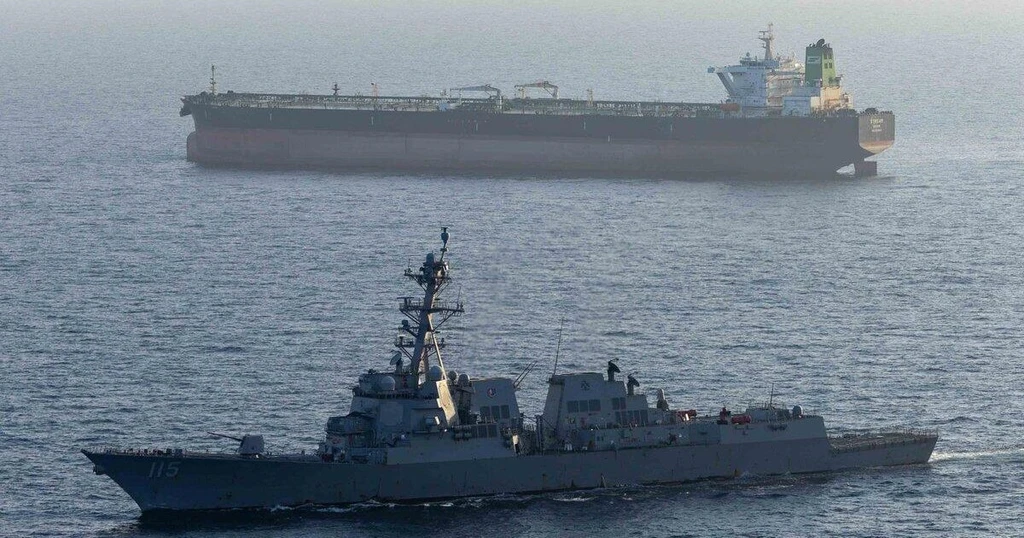
The Trump administration is reviewing an Iranian proposal that could see both nations mutually lift restrictions on the Strait of Hormuz, a key global oil chokepoint. However, the offer notably delays discussions on Iran's nuclear program, a critical U.S. demand.
Fighting between Israel and Iranian-backed Hezbollah in Lebanon persists, complicating any potential peace deal. Israel has warned civilians to evacuate ahead of expected military operations.
Oil prices continue to rise, with Brent Crude nearing $111 per barrel, reflecting the uncertainty surrounding the conflict. U.S. crude also saw an uptick.
Israeli intelligence chief David Barnea highlighted Mossad's success in gathering intelligence from deep within enemy ranks during operations against Iran and Hezbollah.
Meanwhile, Iran's deputy defense minister asserted that the country's resilience demonstrates a global shift away from U.S. dominance, stating America can no longer impose its policies on independent nations.
Iran has revised the death toll from a U.S. missile strike on an elementary school in Minab, reporting 155 fatalities, a decrease from earlier figures. The U.S. is assessing its potential responsibility for the strike, which may have resulted from outdated intelligence.
Secretary of State Marco Rubio emphasized that preventing Iran from developing nuclear weapons remains the core issue, expressing skepticism about the sincerity of the latest offer.
White House press secretary Karoline Leavitt confirmed the proposal is under discussion but reiterated President Trump's clear 'red lines' regarding Iran's nuclear ambitions.