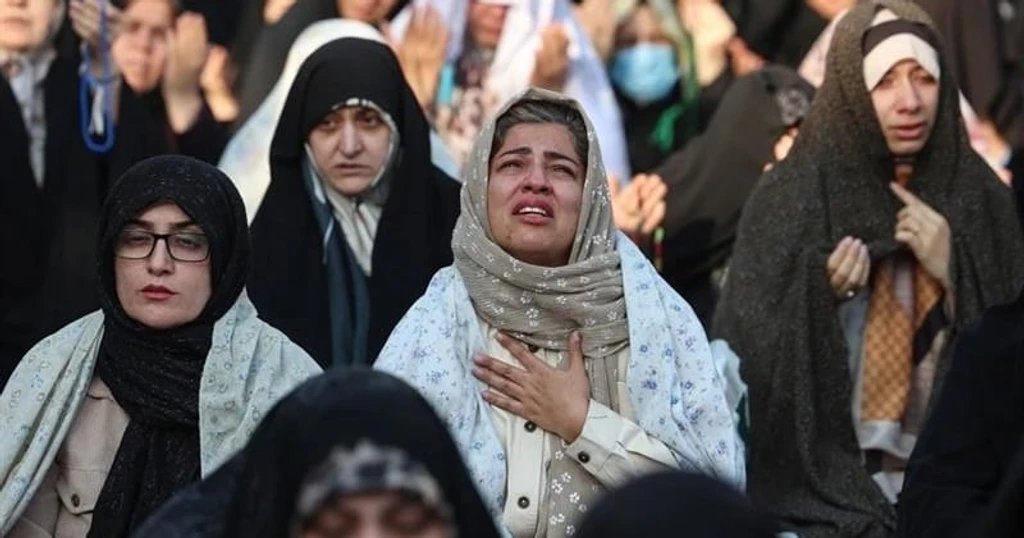
Two critical water reservoirs in Sirik, Hormozgan province, were destroyed on June 10, leaving approximately 20,000 residents without access to drinking water. The strikes occurred as temperatures soared between 45-50°C, creating an immediate humanitarian crisis in one of the world’s hottest regions.
The damaged facilities, holding capacities of 500 and 2,000 cubic meters, served Sirik town and nearby districts including Bemani and Kouhestak. Abdolhamid Hamzehpour, managing director of the Hormozgan Water and Wastewater Company, confirmed the destruction and noted ongoing efforts to secure alternative water sources for affected populations.
Iranian state media described conditions on the ground as "extremely difficult." The attacks appear to be retaliation for Iran downing a US Army Apache helicopter over Gulf waters. Targeting extended beyond Sirik to include Jask and Qeshm Island, indicating a broader operational scope across the province.
This incident marks a recurring pattern of infrastructure targeting in southern Iran during 2026. Previous attacks reportedly hit desalination plants in the same region. International humanitarian law, specifically the Geneva Conventions, prohibits attacks on objects indispensable to civilian survival, including drinking water installations.
Logistical challenges remain significant. Trucking water to remote areas of Hormozgan is expensive and slow due to the vast, arid terrain. The situation carries geopolitical weight, as Hormozgan borders the Strait of Hormuz, a chokepoint through which roughly 20% of global oil supply passes.