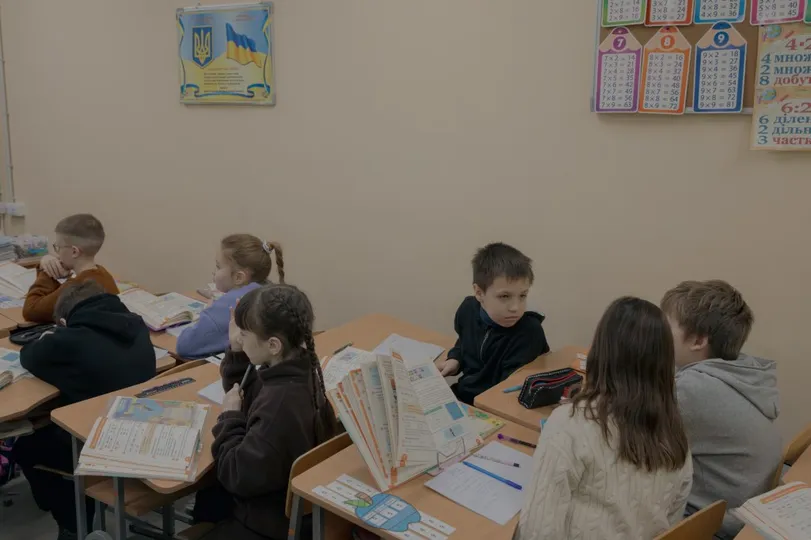
In Kharkiv, Ukraine, children are attending school in underground bunkers, sheltered from near-daily shelling. These facilities, designed to protect students from the ongoing conflict, are adapting to serve thousands of young Ukrainians.
Teachers report a surprising shift: students appear more stable now than at the war's outset. Despite displacement and the constant threat, a sense of routine and specialized activities, including dance, choir, and foreign languages, are fostering stability. School psychologists emphasize creating an environment that reassures children, a strategy that appears effective, with recent screenings showing few concerning signs of post-traumatic stress.
Older students are receiving practical training, including weapons familiarization. While some ponder military service or security careers, others, like 17-year-old Bohdan, express a deep desire to remain in Ukraine and pursue civilian dreams, such as studying literature. First aid training is particularly valued due to the daily risks.
The war's impact is evident, with many students coping with parents serving on the front lines. The school community provides dedicated support when a parent is lost, offering psychological care and referrals to specialized services for profound traumas.
Despite the grim reality, hope persists. Young students articulate aspirations from becoming dentists and veterinarians to pilots protecting the skies. The most poignant wish, however, is a universal one: for the war to end and for families to be reunited.