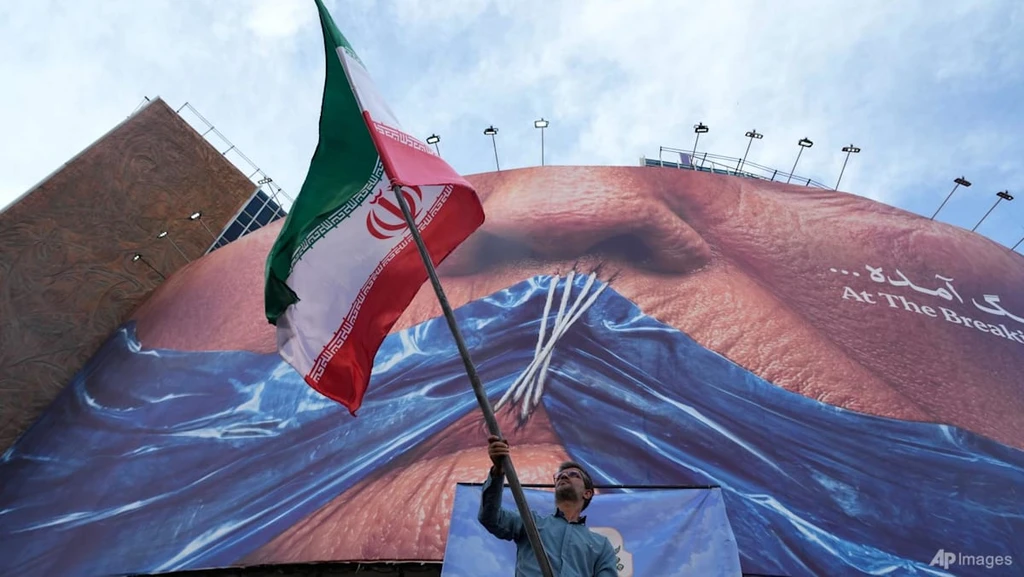
The United States and Iran are edging toward a limited, temporary agreement to halt their war, according to sources and officials. The draft framework would stop the fighting but leave the most contentious issues unresolved, including Iran's nuclear program and the Strait of Hormuz blockade.
Hopes of a partial deal have already moved markets, with global stocks near record highs and oil prices falling roughly 11%, with Brent crude trading around $98 a barrel.
The proposed framework would unfold in three stages: formally ending the war, resolving the Strait crisis, and launching a 30-day window for broader negotiations. A one-page memorandum to end the conflict is reportedly close, though gaps remain.
President Donald Trump struck an optimistic tone, saying, "They want to make a deal … it's very possible." However, Iranian officials expressed skepticism. Lawmaker Ebrahim Rezaei called the proposal "more of an American wish-list than a reality."
The deal would not address key US demands, including restrictions on Iran's missile program, an end to support for proxy militias, or the fate of Iran's near-weapons-grade uranium stockpile exceeding 400 kg.
Talks are being led by Trump's envoy Steve Witkoff and son-in-law Jared Kushner.