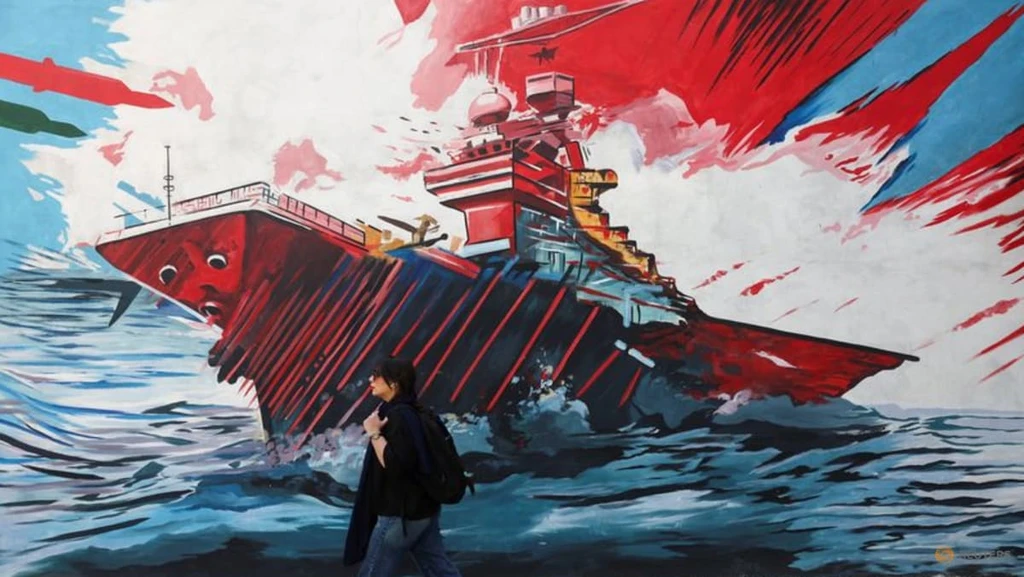
The United States launched a new wave of attacks against Iran Wednesday night as diplomatic efforts to end the three-month conflict collapsed. US Central Command confirmed American forces executed additional self-defense strikes against multiple targets inside Iran, citing continued aggression from Tehran.
Iranian media reported explosions across the southern provinces near the Strait of Hormuz, including hits in Qeshm, Kargan, and Sirik. In retaliation, Iran’s Khatam al-Anbiya command declared the strategic waterway completely closed to all vessel traffic. However, US Central Command disputed this claim, stating commercial ships continue to transit the strait safely.
President Donald Trump stated that US forces deployed 49 Tomahawk missiles, striking targets within 60 kilometers of Tehran. While Trump claimed Iranian leaders requested a halt to the bombing during a direct call, Iran’s Revolutionary Guards denied making such an appeal. The President warned that further escalation is imminent if Tehran refuses US terms for ending the war.
Defense Secretary Pete Hegseth indicated strikes could extend into a third night. This military surge follows Trump's assessment that Iranian negotiators were delaying a potential peace accord. The conflict has already driven global energy prices higher, as the Strait of Hormuz typically facilitates twenty percent of the world's oil supply.
Regional tensions remain critical. Iran reportedly attacked US Fifth Fleet facilities in Bahrain and bases in Jordan. Allied nations, including Kuwait, engaged hostile aerial targets in defense. Simultaneously, twenty-two countries issued a joint statement demanding Iran cease attacks on sovereign soil, while UN Secretary-General Antonio Guterres warned against a return to full-scale war.
Despite the violence, diplomatic channels remain partially open. Qatari negotiators have traveled to Tehran to bridge remaining gaps. Any sustainable resolution must also address the conflict in Lebanon, which remains a key condition for Iranian leadership. Global markets reacted negatively to the renewed hostilities, with stocks falling and oil prices climbing two percent.