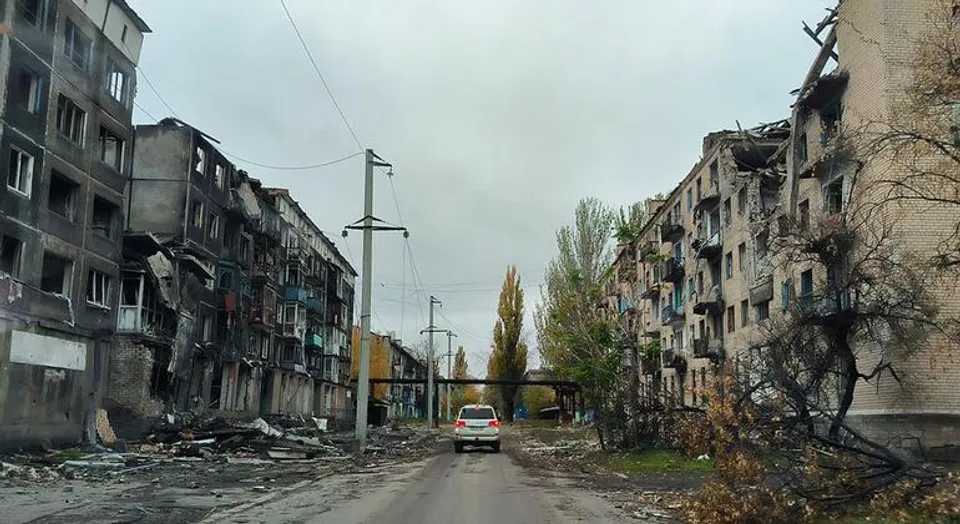
Ukraine faces a monumental recovery challenge, with a projected cost of $588 billion over the next decade. This updated assessment, released by the Government, World Bank Group, European Commission, and the United Nations, comes as the war enters its fifth year.
Direct damage has now surpassed $195 billion. The sectors demanding the most significant reconstruction investment are transport (over $96 billion), energy (nearly $91 billion), and housing (almost $90 billion). Rebuilding commerce and industry will require $63 billion, while agriculture needs over $55 billion. Explosives hazard management and debris clearance alone are estimated at nearly $28 billion.
Intensified Russian attacks on energy and transport infrastructure have led to a substantial increase in damaged or destroyed assets. Housing has also been severely impacted, affecting over three million households. "Despite the widespread damage that continues to mount against Ukraine’s people, economy and infrastructure, the entire country continues to press on with remarkable strength and resolve," stated Anna Bjerde, World Bank Managing Director of Operations.
The private sector is seen as critical for recovery. Unlocking investment hinges on sustained reforms to improve the business environment, strengthen competition, and expand access to finance. "Russia’s war of aggression continues to have a devastating impact on Ukraine," noted EU Commissioner for Enlargement Marta Kos, reaffirming the EU's commitment to supporting reconstruction.
Matthias Schmale, UN Resident and Humanitarian Coordinator in Ukraine, emphasized that people are central to the recovery. "Ukraine’s most critical asset is its people," he said, stressing the importance of human-centered, community-based recovery efforts. Despite ongoing challenges, approximately $20 billion in urgent repairs and early recovery activities have already been completed.