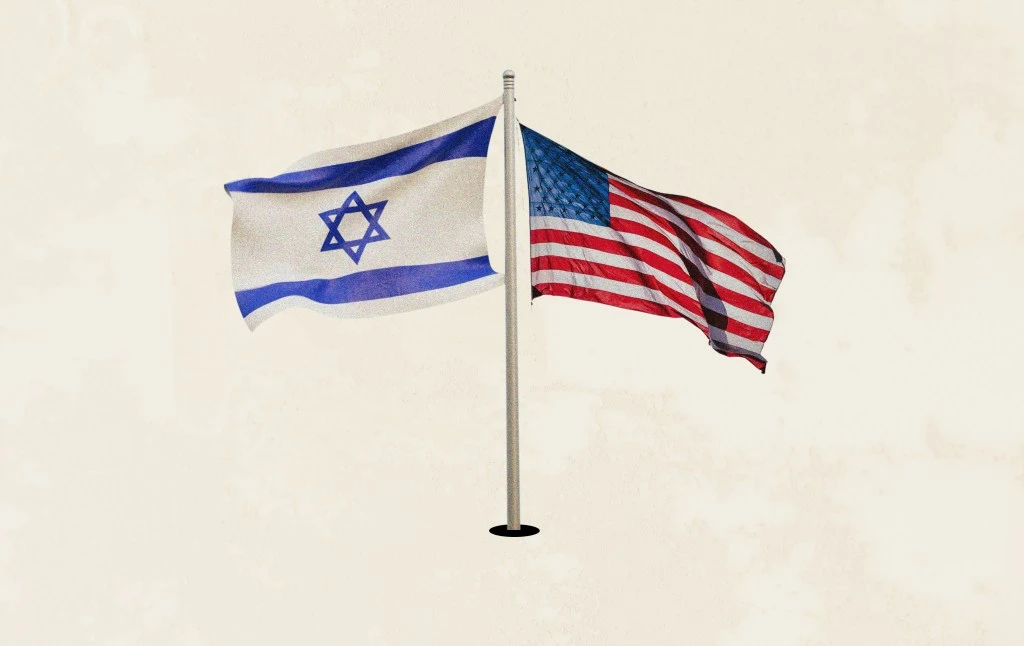
President Donald Trump faces dual challenges in the Middle East: managing tensions with Israel over tactical decisions in the Iran campaign and confronting European reluctance to join military efforts in the Strait of Hormuz. Despite shared opposition to Iran’s regime, divergent national interests are exposing strategic fractures among allies.
Israel views Iran as an existential threat, driving its focus on targeting regime leadership and internal security forces like the Basij. The U.S., however, remains cautious about regime collapse, wary of repeating post-Gaddafi instability in Libya. This contrast highlights differing end-state visions: Israel seeks decisive regime change; the U.S. prioritizes regional stability.
Unlike traditional coalition wars such as WWII or Afghanistan, the current operation-dubbed Epic Fury-lacks unified command. U.S. and Israeli forces conduct parallel missions without centralized control, coordinating only on functions like air defense suppression. This decentralized model amplifies risks of strategic drift.
Trump’s frustration grows as NATO members withhold naval support to reopen the Strait of Hormuz. While Europe depends heavily on strait commerce, the president has failed to present a coherent strategy or theory of victory. His past rhetoric-dismissing allies’ contributions and questioning NATO commitments-has eroded goodwill, making cooperation unlikely without diplomatic recalibration.
The U.S. must clarify its war objectives, set realistic boundaries, and issue specific, respectful requests for allied support. Deriding partners as 'cowards' or 'ungrateful' undermines the very alliances critical to sustained military success.