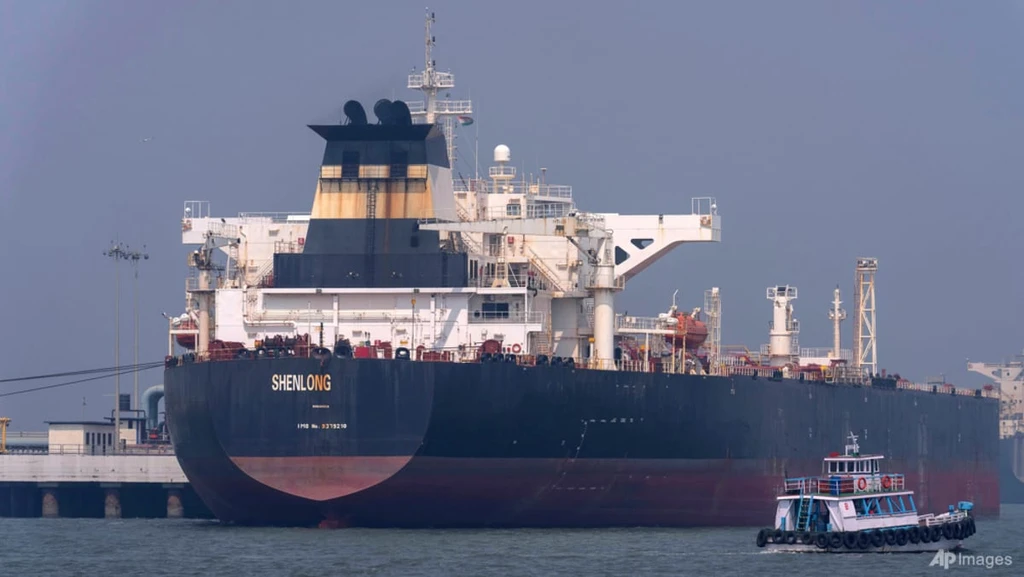
The US military destroyed an underground Iranian facility on its southern coast housing anti-ship cruise missiles and radar systems, Admiral Brad Cooper of US Central Command confirmed Saturday. The strike targeted weapons monitoring shipping in the Strait of Hormuz, a critical energy corridor.
Cooper stated the attack eliminated intelligence sites and missile relays used to track vessels. The action follows Iran’s de facto blockade of the strait, through which 20% of global oil passes, prompting a 50% surge in Brent crude prices.
A coalition of 20 nations, including the UK, France, Germany, South Korea, and Australia, pledged support to reopen the waterway. Iran denies deploying mines and claims only ships from hostile nations are restricted.
Iranian leadership has remained low-profile amid ongoing conflict. Supreme Leader Mojtaba Khamenei has not appeared publicly since assuming power after his father’s death in earlier strikes. The judiciary head led Eid al-Fitr prayers in Tehran as airstrikes marred Nowruz celebrations.
The US and Israel also struck Iran’s Natanz nuclear facility in Isfahan province. The IAEA reported no radiation leaks but urged restraint. Meanwhile, Iran launched a failed long-range ballistic missile toward Diego Garcia, a key US-UK base, signaling extended reach.
The UK authorized use of Diego Garcia and Fairford for retaliatory operations against Iranian missile threats. Analysts note Iran's surprising resilience, with continued drone and missile capabilities despite leadership losses.