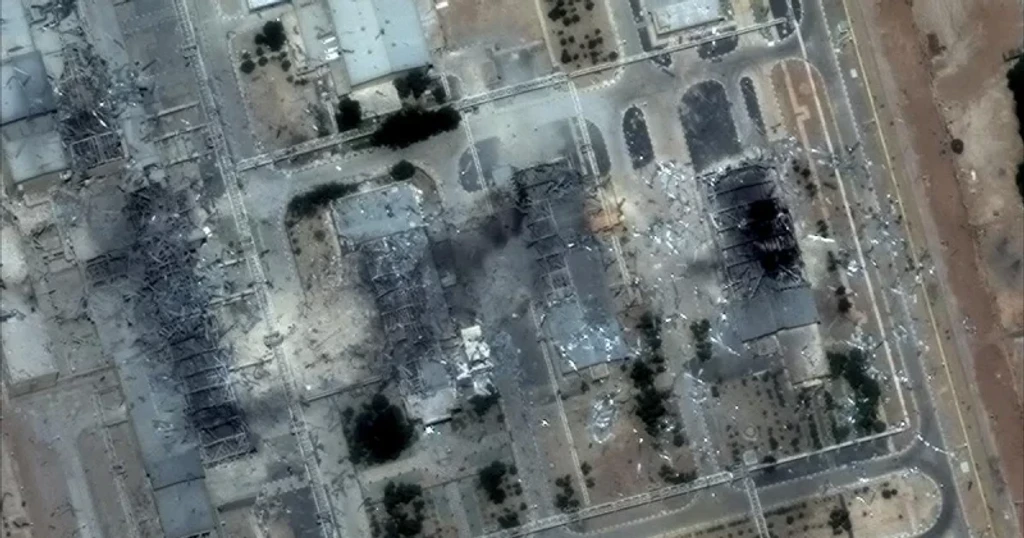
The US military struck Iranian missile and drone launch sites on May 25, executing a defensive operation near the Strait of Hormuz, according to Central Command. The strikes come at a remarkable moment: peace negotiations between Washington and Tehran are actively underway in Doha, where President Trump said discussions were “proceeding nicely.”
The operation targeted command nodes, naval vessels, and assets that CENTCOM said were preparing to deploy mines in one of the world’s most critical shipping chokepoints. The trigger: an Iranian attack on three US Navy destroyers. No US forces were harmed, and the Pentagon emphasized the purely defensive nature of the response.
The Strait of Hormuz is the reason this matters beyond geopolitics. Roughly a fifth of the world’s petroleum passes through that narrow waterway.
Negotiations in Doha focus on two core issues: reopening the Strait to normal commercial traffic, and limiting Iran’s highly enriched uranium stockpile. Qatar and Pakistan are acting as mediators.
For crypto markets, the situation is a known pattern. Bitcoin has historically behaved like a high-beta tech stock during missile crises-selling off on escalations as traders de-risk. Conversely, Bitcoin surged past $72,000 during periods of diplomatic progress, when risk appetite returns fast.
A deal reopening the Strait would likely trigger a broad risk-on rally. Oil prices would drop, easing inflation fears, and capital would flow back into growth assets. Traders should watch for concrete language from Doha on timelines and whether further Iranian provocations trigger additional US responses.