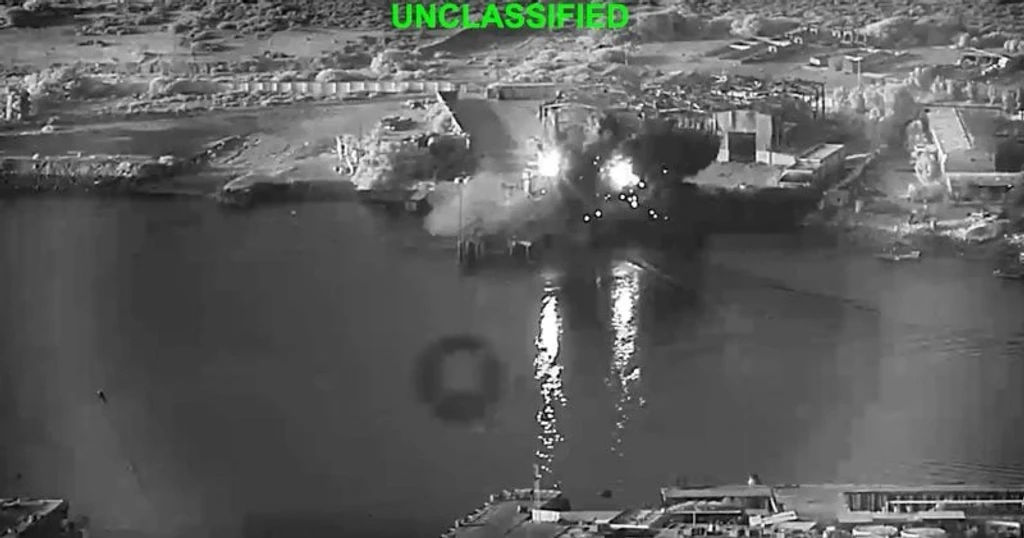
The U.S. military has continued its air campaign against Iranian targets for a fifth straight day. The strikes, which began on July 8, have targeted missile sites and military installations.
The conflict has severely disrupted the Strait of Hormuz. Shipping traffic through the vital oil artery fell by 60% to just 14 vessels in a single day. Before the escalation, roughly 100 ships passed through daily.
The Strait handles about a fifth of the world's petroleum supply. Iran has claimed control of the waterway during the crisis, while the U.S. maintains operations to keep navigation open. Over 8 million barrels of oil reportedly continued transiting under U.S. military protection.
Washington has also revoked waivers allowing countries to buy Iranian oil, adding economic pressure.
The crisis triggered a risk-off reaction in financial markets. Bitcoin fell as much as 8.5%. Rising oil prices strengthened the U.S. dollar, a traditional headwind for risk assets like cryptocurrency.
If shipping returns to normal, oil prices and market pressure should ease. If the conflict persists, elevated energy costs could complicate central banks' plans for interest rate cuts.