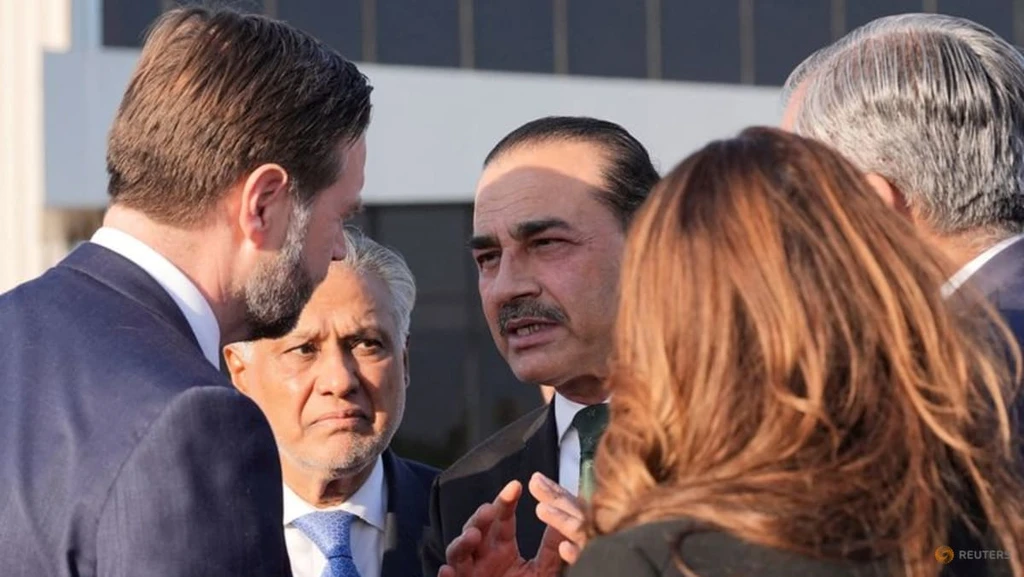
Following a tense overnight session in Islamabad, senior US and Iranian officials concluded their most significant direct talks in decades without a formal agreement. Sources familiar with the negotiations indicated, however, that dialogue channels remain open. The weekend meeting, held four days after a ceasefire announcement, was the first direct encounter between the two nations' officials in over a decade and the highest-level engagement since Iran's 1979 revolution.
The discussions, held at Islamabad's Serena Hotel, covered critical issues including the Strait of Hormuz, Iran's nuclear program, and international sanctions. Delegates, including US Vice President JD Vance and Iranian Parliamentary Speaker Mohammad Baqer Qalibaf, were prohibited from using phones in the main negotiating room, requiring them to step out for communications.
Sources described the atmosphere as initially heavy and unfriendly, with initial hopes for a breakthrough fading. At one point, talks were reportedly 80% towards an agreement before encountering insurmountable issues. Differences persisted, with one US source citing a lack of Iranian understanding regarding the US objective of preventing Iran from obtaining nuclear weapons, while Iran expressed distrust of US intentions.
Despite the deadlock, US officials confirmed continued engagement and forward motion toward an agreement. White House spokeswoman Olivia Wales stated that the US position remained firm: Iran cannot possess a nuclear weapon, and President Trump's negotiating team adhered to this and other red lines. Middle East-based diplomats reported ongoing conversations, with Pakistan continuing to relay messages between Tehran and Washington.
Both sides have reasons to de-escalate, given the geopolitical and economic implications of continued conflict. The US strikes have faced domestic opposition, while Iran's disruption of energy supplies impacts the global economy and inflation. The talks aimed to chart a path toward a long-term settlement after a previous ceasefire paused weeks of conflict.
Key points of contention included Iran's nuclear program, control over the Strait of Hormuz, and the extent of frozen asset access for Tehran. The US sought an end to all uranium enrichment, dismantling of facilities, and a broader peace framework. Iran demanded a permanent ceasefire, assurances against future strikes, lifting of sanctions, and recognition of its enrichment rights.
Toward the end of the discussions, US delegates made frequent trips between the main room and their private quarters. Vice President Vance presented what he termed the US's "final and best offer," leaving the outcome dependent on Iran's acceptance.