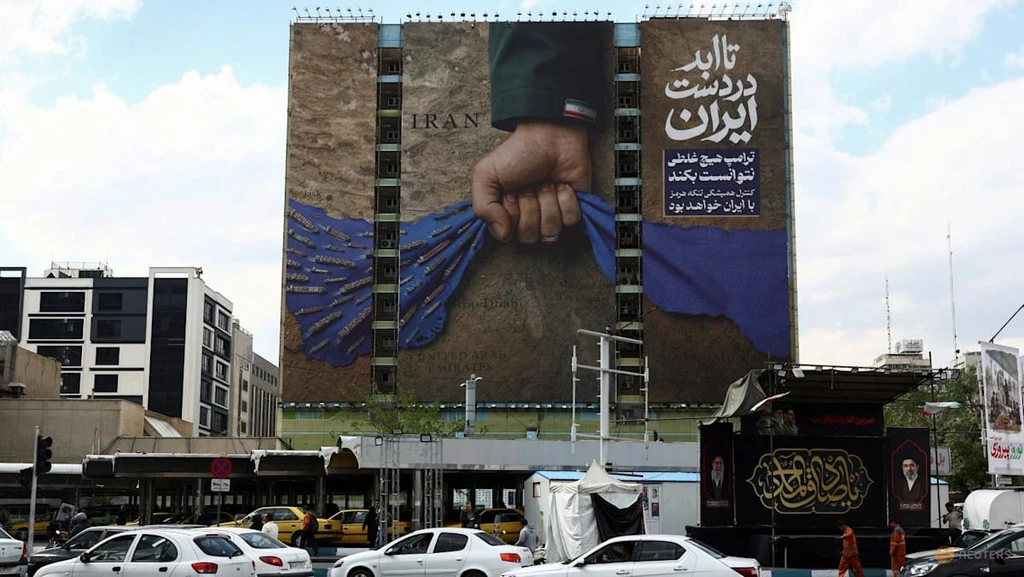
The deadline for a US military blockade of ships leaving Iranian ports has passed, with Tehran threatening retaliation against its Gulf neighbors. Weekend talks aimed at ending the conflict reportedly broke down, and oil prices have surged with no immediate prospect of easing supply disruptions. Since the war began on February 28, Iran has effectively controlled passage through the Strait of Hormuz. US President Donald Trump stated that Washington would blockade Iranian vessels and any ships paying tolls, with any Iranian fast-attack craft near the blockade to be eliminated. The US Central Command confirmed the measure would take effect Monday. NATO allies, including Britain and France, have stated they will not participate in the blockade, emphasizing the need to reopen the vital waterway.
A ceasefire that halted six weeks of US and Israeli airstrikes is in jeopardy, with only a week remaining. Washington claims Tehran rejected its demands during recent talks in Islamabad. The US military's regional Central Command announced the blockade would be enforced impartially against vessels of all nations entering or leaving Iranian ports. Two Iranian-linked oil tankers departed the strait before the deadline. Iran has labeled any US shipping restrictions as "piracy" and warned that if its ports are threatened, no Gulf port will be secure. Iran's Revolutionary Guards asserted that military vessels approaching the strait would violate the ceasefire.
Despite the escalating tensions, efforts are ongoing to resolve the conflict. However, Iran has presented new demands, including recognition of its control over the Strait of Hormuz, sanctions relief, and the withdrawal of US forces from the Middle East. Iran's leadership appears emboldened, with officials stating a deal would require further US concessions. Foreign Minister Abbas Araqchi accused the US of "maximalism, shifting goalposts, and blockade" during negotiations, concluding, "Zero lessons learned."
Benchmark oil prices have surged approximately 7 percent, returning above $100 a barrel. Traders indicate that current benchmarks may understate the severity of the disruption, which is unprecedented in modern times. President Trump has acknowledged that higher gasoline prices could persist through the upcoming midterm elections. Iran's chief negotiator suggested that Americans would soon be nostalgic for current gas prices.