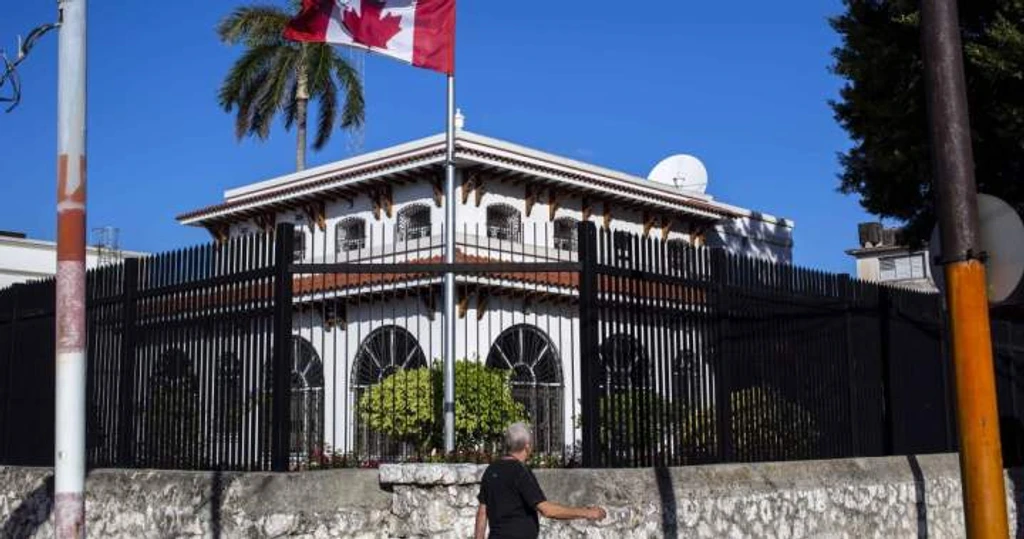
A recent Angus Reid Institute survey indicates a divided Canadian public regarding aid to Cuba. Fifty-one percent of Canadians believe Canada should provide aid, "despite the potential of further upsetting the U.S.-Canada relationship."
Conversely, 31 percent of Canadians feel Canada should avoid actions that could antagonize the U.S., prioritizing a positive relationship with the Trump administration.
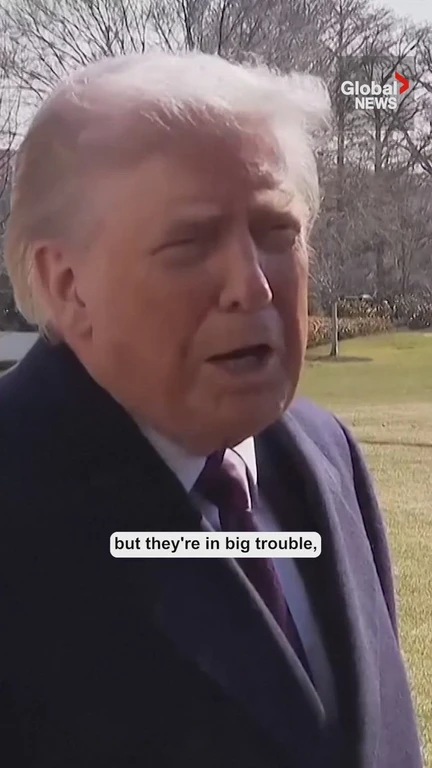
This follows U.S. President Donald Trump's February 27, 2026, statement considering a "friendly takeover" of Cuba after the U.S. blockaded the island's main fuel supplier. Trump cited Cuba's severe economic troubles and lack of resources.
Cuba is currently experiencing a significant fuel shortage and humanitarian crisis, attributed by Cuba's ambassador to Canada, Rodrigo Malmierca Diaz, to the U.S. "suffocating an entire people." In response, Canada has dispatched $8 million in food aid.
While one-third of Canadians deem this aid sufficient, another third desire more assistance. Nineteen percent believe Canada should have provided less or no aid at all. The survey also noted below-average public awareness of Cuba's current crisis.

The U.S. severed Cuba's main fuel source in January by taking control of Venezuela's oil reserves, threatening tariffs on nations supplying fuel to the island. This has exacerbated tensions between Canada and the U.S., with past threats of annexation and tariffs.
Recent polls suggest a significant erosion of trust, with 60 percent of Canadians believing they can no longer trust Americans the same way. Seventy-one percent anticipate ongoing trade and economic disputes with the U.S. for years to come. A separate poll found 58 percent of Canadians no longer view the U.S. as a reliable ally, with 43 percent seeing it as a threat to global stability.