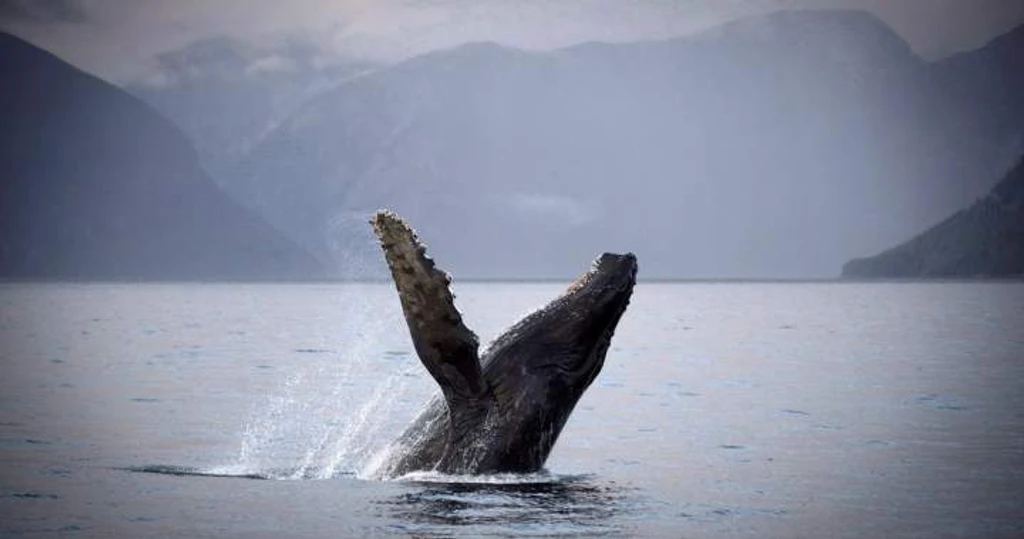
A rich food supply and past conservation efforts have turned British Columbia’s Salish Sea into a festival ground for whale-spotting. However, the visibility of one species points to a case of starvation.
Marine biologist Julia Adelsheim says recent surges in orca and humpback whale sightings along British Columbia’s southern coast match scientific studies showing population increases. University of British Columbia research indicates transient killer whales are spending more than two-thirds of the year in the area, while humpbacks from Hawaii have rediscovered it as a feeding ground.
The public is seeing more marine mammals partly due to social media whale-spotting groups that quickly share locations. But the primary reason is a genuine increase in whale numbers, peaking in summer due to the seasonal abundance of algae, phytoplankton, fish, and their predators.
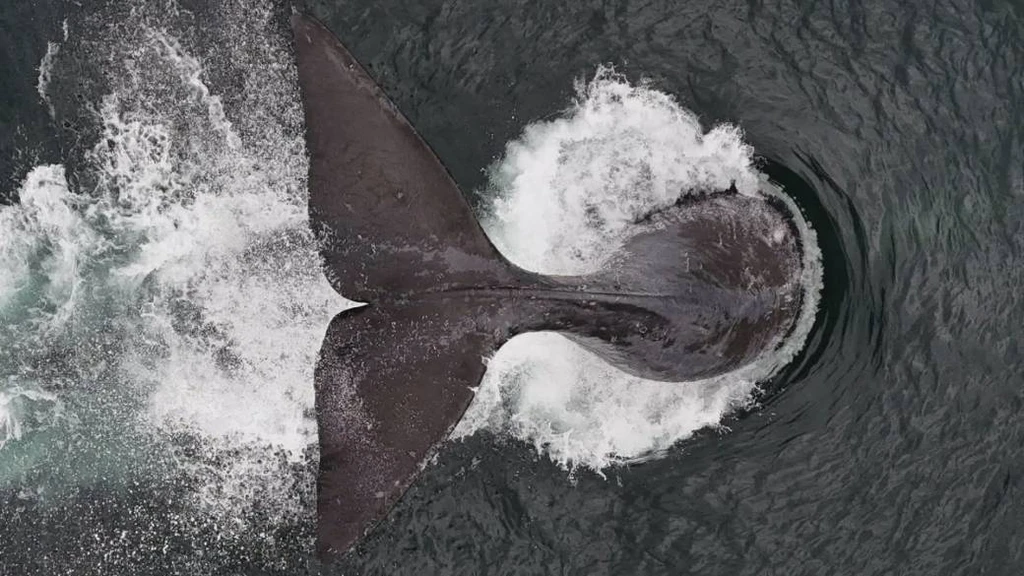
The end of commercial whaling in Canada and global prohibitions allowed humpback whales to recover. A female nicknamed "Big Mama" rediscovered the area in the late 1990s, and her social behaviors brought other whales back. She has since brought eight calves to the region.
This success contrasts with the grey whales migrating past Vancouver. One whale stopped in local waters this spring, likely due to extreme hunger. As of June, ten grey whale carcasses were found along the coast, with officials expecting more deaths due to low food supplies in their northern feeding grounds. Marine biologists link the issue to climate change impacting food sources.
A viral video of a Jet Ski launching off a feeding grey whale underscores the need for public compliance with guidelines, such as maintaining a 1,000-metre distance from endangered species. Officials urge collective effort to keep these recovering populations safe.